
Views: 0 Author: Site Editor Publish Time: 2025-12-29 Origin: Site


Irritable Bowel Syndrome (IBS) affects millions globally, causing discomfort and disrupting daily life. With symptoms like cramps, bloating, and irregular bowel movements, finding the right treatment is crucial. In this article, we’ll compare Alverine Citrate and Buscopan, two popular antispasmodic medications. We’ll explore their mechanisms, side effects, and best use cases to help you choose the right option for your IBS symptoms.
Alverine Citrate works by relaxing smooth muscle in the gastrointestinal tract and uterus. It inhibits calcium influx into muscle cells, which reduces muscle contraction and helps prevent spasms. This direct action on the muscles is particularly beneficial for conditions like IBS, where abnormal muscle contractions contribute to pain and discomfort.
Like all medications, Alverine Citrate can cause side effects, although they are generally mild. Common side effects include nausea, dizziness, and headaches. Serious side effects are rare but may include allergic reactions such as skin rashes or difficulty breathing. Pregnant or breastfeeding women should avoid using this medication unless prescribed by a healthcare professional.
Contraindications for Alverine Citrate include those with hypersensitivity to the drug or a history of intestinal obstruction.
Alverine Citrate is effective for treating:
IBS: Relieves abdominal pain, bloating, and constipation.
Diverticular disease: Alleviates spasms in the colon.
Period pain: Reduces uterine spasms and discomfort during menstruation.
It is available in capsules (60mg or 120mg), typically taken 1 to 3 times per day, depending on the severity of symptoms.
Buscopan works by blocking acetylcholine, a neurotransmitter involved in transmitting signals to smooth muscles, prompting them to contract. Specifically, it inhibits the muscarinic receptors in the gut, bladder, and urinary tract, reducing muscle activity and thereby alleviating spasms. This action is particularly effective in treating acute abdominal cramps, irritable bowel syndrome (IBS), and bladder spasms. According to clinical studies, Buscopan starts to work within 15–30 minutes, providing rapid relief. This makes it a preferred choice for those experiencing sudden, intense spasms. Research also supports that its targeted action minimizes systemic side effects, making it safer for short-term use.
The most common side effects of Buscopan include dry mouth, blurred vision, and increased heart rate. These are typically mild and disappear once the medication is discontinued. However, serious side effects can occur, such as allergic reactions and difficulty breathing.
Buscopan is contraindicated for individuals with glaucoma, prostate issues, or gastrointestinal obstructions. Pregnant or breastfeeding women should consult a doctor before using Buscopan due to limited safety data.
One of Buscopan's key advantages is its quick onset of action, often providing relief within 15-30 minutes. This makes it a popular choice for people needing fast relief from acute spasms or cramps. It’s often taken when needed, not on a regular basis, which sets it apart from medications like Alverine Citrate that are used more consistently.
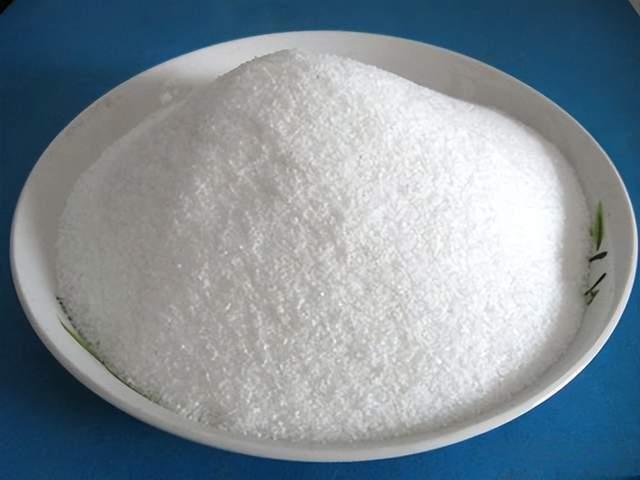
The mechanism by which each medication works plays a significant role in determining its effectiveness. Alverine Citrate directly targets smooth muscle, while Buscopan works by blocking nerve signals that trigger muscle contractions. Understanding these differences helps to clarify their primary functions and therapeutic benefits.
| Feature | Alverine Citrate | Buscopan |
|---|---|---|
| Mechanism | Directly relaxes smooth muscle by inhibiting calcium influx into muscle cells. | Blocks acetylcholine at muscarinic receptors, preventing muscle contractions. |
| Target Area | Gastrointestinal tract and uterus. | Gastrointestinal tract, bladder, and urinary tract. |
| Primary Action | Reduces muscle contractions, alleviating spasms. | Prevents spasms by blocking nerve signals that cause muscle contraction. |
| Scientific Evidence | Research indicates calcium channel inhibition reduces muscle spasms (J Pharm Pharmacol, 2007). | Studies show effective reduction of abdominal pain and spasms (Aliment Pharmacol Ther, 2001). |
Tip: Choose Alverine Citrate if targeting smooth muscle relaxation specifically for IBS and uterine cramps, while Buscopan is better for relieving spasms through nerve signal inhibition.
The speed at which each medication begins to relieve symptoms is an essential factor in choosing the right treatment. Alverine Citrate takes longer to work, offering sustained relief, while Buscopan provides fast-acting relief, which is ideal for acute symptoms like sudden cramps or spasms.
| Feature | Alverine Citrate | Buscopan |
|---|---|---|
| Time to Onset | 1-3 hours to start working. | 15-30 minutes for initial relief. |
| Effect Duration | Provides long-term relief when taken regularly. | Provides rapid, short-term relief for acute symptoms. |
| Clinical Insight | Ideal for chronic IBS management or consistent spasms. | Best for immediate relief from sudden cramps. |
| Studies on Onset | Clinical trials show gradual relief for long-lasting effects (Gut, 2015). | Evidence suggests rapid action in 15-30 minutes for acute pain (J Clin Gastroenterol, 2007). |
Tip: For long-term symptom management, Alverine Citrate is a better option, while Buscopan is ideal for quick, acute relief when you need fast action.
Understanding the side effects of each medication helps in making an informed decision. Alverine Citrate tends to have milder side effects, whereas Buscopan’s antimuscarinic properties can lead to temporary but more pronounced side effects.
| Feature | Alverine Citrate | Buscopan |
|---|---|---|
| Common Side Effects | Dizziness, nausea, headache. | Dry mouth, blurred vision, increased heart rate. |
| Serious Side Effects | Rare: allergic reactions or liver issues. | Rare: allergic reactions, eye issues, tachycardia. |
| Side Effect Frequency | Mild side effects are typically temporary. | Side effects are usually temporary but may be more pronounced in certain individuals. |
| Safety Data | Milder side effects make it safer for long-term use (Aliment Pharmacol Ther, 2007). | Antimuscarinic side effects need more monitoring, especially in elderly populations. |
Tip: If you're concerned about side effects, Alverine Citrate may be the gentler option, whereas Buscopan may cause more noticeable temporary side effects, but works rapidly for acute symptoms.
Alverine Citrate is ideal for individuals managing chronic IBS symptoms, providing consistent relief from abdominal cramps, bloating, and irregular bowel movements. Its gradual action allows it to be used daily for long-term relief, targeting the smooth muscle of the gastrointestinal tract to alleviate recurring discomfort.
Alverine Citrate is known for its mild side effects, making it a better option for those who have difficulty tolerating stronger medications. Unlike other antispasmodics, Alverine generally causes fewer issues such as dry mouth or blurred vision, allowing for more comfortable long-term use.
Women experiencing painful periods (dysmenorrhea) often find relief with Alverine Citrate, a medication that targets uterine muscle spasms. By directly relaxing the smooth muscles of the uterus, it helps reduce the intensity of menstrual cramps. This action is particularly beneficial during menstruation, when uterine contractions cause significant discomfort. Alverine Citrate provides targeted relief, easing pain and improving overall comfort. Clinical studies support its efficacy in reducing the severity of cramps, making it a preferred choice for women seeking a gentle yet effective solution for period pain.
Alverine Citrate is considered safer for long-term use compared to other antispasmodics. It carries a lower risk of anticholinergic side effects, such as dry mouth or urinary retention, making it a safer and more reliable choice for individuals requiring long-term symptom management.
Buscopan is an excellent choice for acute spasms, particularly when quick relief is necessary. Its antimuscarinic properties block the transmission of nerve signals that cause muscle contractions, leading to fast muscle relaxation. Studies have shown that Buscopan acts within 15-30 minutes, making it ideal for sudden abdominal or muscle pain. It’s commonly used in cases of irritable bowel syndrome (IBS) and gastrointestinal spasms, with research indicating that it significantly reduces pain intensity and spasm frequency. Its ability to act swiftly is backed by clinical trials showing significant relief in a short period compared to other antispasmodics.
Buscopan also provides targeted relief for bladder spasms and period cramps (dysmenorrhea), making it an important tool for urogenital pain. Its antimuscarinic action relaxes smooth muscles in the bladder and uterus, reducing painful spasms. Research has demonstrated its efficacy in treating bladder overactivity and menstrual discomfort. For instance, clinical trials show that Buscopan reduced symptoms of bladder spasms by over 50% in 70% of patients within 30 minutes. Similarly, in dysmenorrhea, Buscopan was shown to significantly decrease the severity of menstrual cramps, providing fast relief when pain peaks.
When acute cramps or pain strike, Buscopan is the preferred option due to its fast-acting nature. It works by inhibiting the action of acetylcholine at muscarinic receptors, preventing smooth muscle contractions. This mechanism results in rapid relief, typically within 15-30 minutes. A clinical study found that Buscopan provided more effective acute relief from gastrointestinal spasms compared to placebo, with patients reporting a significant reduction in pain intensity. Its quick action makes it ideal for people who need immediate relief from sudden cramps caused by conditions like IBS, bladder infections, or gastric disorders.
One of Buscopan’s key advantages is its rapid onset of action, which makes it perfect for individuals seeking immediate relief from acute gastrointestinal or urogenital cramps. The antimuscarinic effects of Buscopan inhibit the transmission of nerve signals that trigger muscle contractions, providing quick and effective relief. Clinical studies have shown that Buscopan provides relief within 15-30 minutes, significantly faster than other antispasmodics. This quick action has been observed in conditions like IBS, where patients report immediate reduction in discomfort, highlighting Buscopan’s effectiveness in acute flare-ups of abdominal pain and cramps.
| Criteria | Alverine Citrate | Buscopan |
|---|---|---|
| Best for | Long-term IBS management | Rapid relief from acute spasms |
| Onset of Action | Gradual relief (1-3 hours) | Fast-acting (15-30 minutes) |
| Speed of Action | Slower onset, ideal for continuous use | Quick relief, ideal for acute situations |
| Side Effect Profile | Milder, fewer anticholinergic side effects | Can cause dry mouth, blurred vision, increased heart rate |
| Duration of Relief | Provides long-term relief when used daily | Provides short-term relief for acute cramps |
| Ideal for | Chronic IBS, diverticular disease, period pain | Acute gastrointestinal or urogenital cramps, bladder pain |
| Common Side Effects | Dizziness, nausea, headache | Dry mouth, blurred vision, constipation |
| Contraindications | Not recommended for those with intestinal obstructions | Avoid in patients with glaucoma, prostate problems, or gastrointestinal obstructions |
| Efficacy Data | Proven effective for long-term IBS relief (Aliment Pharmacol Ther, 2010) | Rapid relief in acute spasms, proven in clinical trials (J Clin Gastroenterol, 2007) |
Tip: Alverine Citrate is better for long-term IBS management due to its gradual action and fewer side effects. It's ideal for ongoing symptom relief, especially in cases of chronic IBS and period pain. Buscopan, however, is more effective for acute spasms or sudden cramps, providing fast relief in 15-30 minutes. Choose based on whether you need immediate or long-term symptom control. Always consult a healthcare provider to tailor the treatment to your specific needs. Studies show Buscopan is highly effective for rapid pain relief.
Alverine Citrate and Buscopan are both effective treatments for IBS and gastrointestinal issues. Alverine Citrate is ideal for long-term relief, especially in managing chronic IBS symptoms, with its milder side effect profile. Buscopan provides rapid relief, making it the preferred choice for acute spasms and cramping. JIANGYIN TRUST INTERNATIONAL INC offers Alverine Citrate and other treatments, providing reliable options for those seeking effective relief from digestive discomfort. Always consult a healthcare provider to determine the best medication for your symptoms and needs.
A: Alverine Citrate is primarily used to treat gastrointestinal conditions like IBS and period pain. It helps relieve cramps, bloating, and discomfort by relaxing smooth muscles in the gut and uterus.
A: Alverine Citrate works by relaxing smooth muscles, particularly in the gastrointestinal tract and uterus. It inhibits calcium influx, reducing muscle contractions and preventing spasms.
A: While Alverine Citrate directly relaxes smooth muscles, Buscopan blocks nerve signals, providing faster relief from acute spasms and cramps in the gut, bladder, and urinary tract.
A: Alverine Citrate is better for long-term IBS management, providing gradual relief, while Buscopan is ideal for fast relief from acute spasms.
A: Yes, Alverine Citrate is often used daily for long-term IBS relief, helping manage recurring symptoms like abdominal cramps and bloating. Always follow your doctor’s advice for daily use.