Views: 0 Author: Site Editor Publish Time: 2025-02-22 Origin: Site



When your refinery processes crude oil, sulfur compounds become ticking time bombs. During combustion, they transform into SO₂ emissions - primary culprits behind acid rain and respiratory hazards. But the damage extends beyond smokestacks:
Corrosion costs: Sulfur-rich fuels eat through pipelines and storage tanks, forcing premature replacement cycles
Operational penalties: A Texas refinery paid $2.3M in EPA fines last year for exceeding sulfur thresholds
Product rejection: Marine fuels exceeding 0.5% sulfur face rejection under IMO 2020 standards
Unsaturated hydrocarbons degrade fuel stability like oxygen attacks bare metal. Hydrogenation solves this by saturating molecular bonds. Consider these operational impacts:
Jet fuel lifespan doubles when hydrogenation reduces gum formation
Every 1% improvement in cetane number (diesel quality) increases market value by $8/barrel
Lubricants maintain viscosity 40% longer when hydrogenation minimizes oxidation
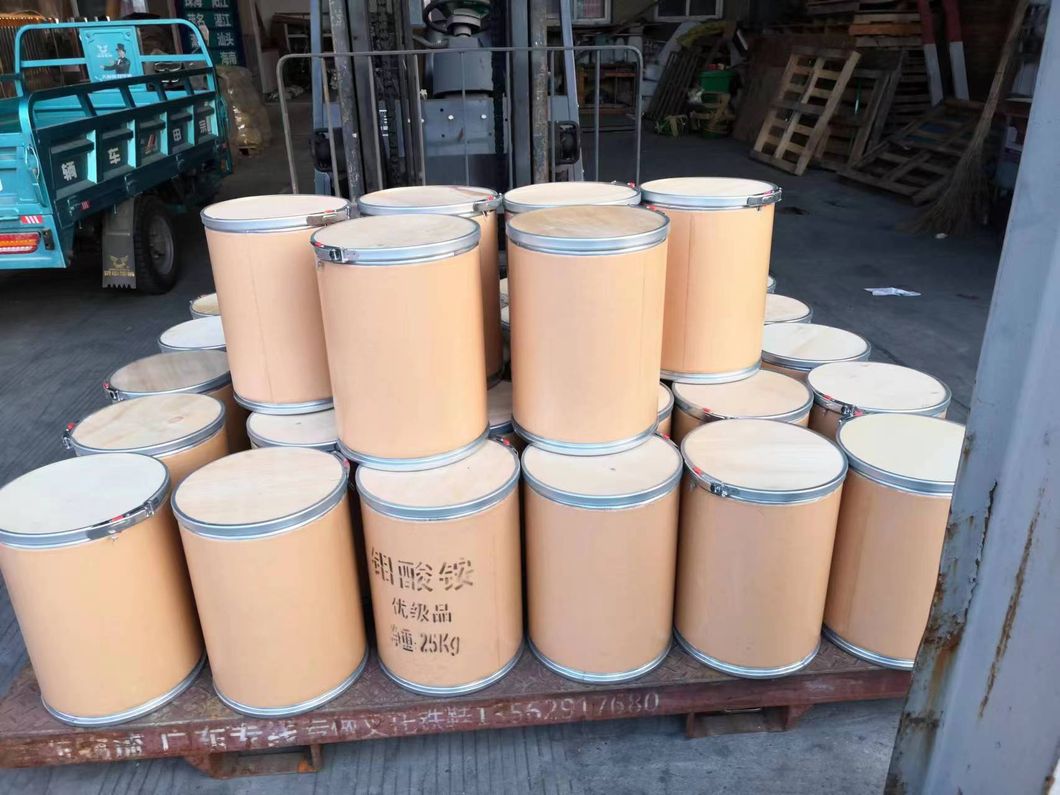
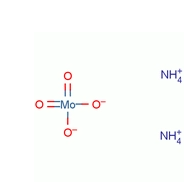
This white crystalline powder (H8MoN2O4) serves as your chemical workhorse. Unlike specialty catalysts requiring complex handling:
Soluble in water/acid/alkali - simplifies catalyst slurry preparation
Decomposes at 170°C - safely releases ammonia without toxic residues
Stores at room temperature - reduces warehouse climate control costs
The secret lies in molybdenum's electron agility. Picture it as a molecular scalpel:
Breaks H-H bonds at 30% lower energy than nickel catalysts
Shuttles electrons between oxidation states during desulfurization cycles
Ammonium ions create protective micro-environments extending active life
Stubborn sulfur rings in thiophenes resist conventional removal. Ammonium molybdate cracks them through targeted hydrogenation:
Adsorbs thiophene molecules onto Mo-active sites
Cleaves C-S bonds at 220°C vs 280°C for cobalt-molybdenum
Converts sulfur to H₂S captured in scrubbers
A Western Canadian oil sands operator replaced their iron-based catalyst with ammonium molybdate:
Achieved 5ppm sulfur diesel (meets Ultra-Low Sulfur Diesel standards)
Reduced hydrotreater fouling incidents from monthly to quarterly
Saved $417,000 annually in pipeline maintenance

Your hydrogen isn't fully utilized if catalysts can't split H₂ efficiently. Ammonium molybdate activates hydrogen 40% faster by:
Weakening H-H bonds through electron transfer
Generating reactive hydrogen radicals at lower pressures
Preventing unwanted cis-trans isomerization in final products
When supplying aviation fuels, thermal stability determines contract renewals. Ammonium molybdate delivers:
JFTOT sediment scores below 25mm at 260°C
Oxidation stability exceeding 1000 minutes (ASTM D2274)
Compliance with DEF STAN 91-91 and ASTM D1655
During hydrocracking tests with Venezuelan heavy crude:
Ammonium molybdate achieved 92% sulfur removal at 340°C
Nickel catalysts required 385°C for equivalent performance
Energy savings: $28/ton of processed feedstock
When upgrading pyrolysis gasoline streams:
Precisely hydrogenated dienes without saturating aromatics
Preserved 98% benzene value for chemical feedstock
Avoided $120,000/month in octane recovery costs
Your energy manager will appreciate these numbers:
30-50°C reduction in hydrotreating temperatures
Compressor load decreased 18% from lower H₂ pressure
Typical ROI: 11 months based on energy savings alone
Compare your current catalyst changeout frequency:
Standard cobalt-molybdenum: 9-12 month cycles
Ammonium molybdate: 15-18 month operational windows
Savings: $350,000 per avoided shutdown
Never compromise quality for cost:
Insist on ICP-MS certificates showing <50ppm heavy metals
Bulk shipments (>20MT) typically offer 12-15% discounts
Consider powdered vs. granulated forms for reactor compatibility
Protect your operations from regulatory surprises:
Verify CAS 13106-76-8 registration status in your region
Secure SDS sections 1-16 with TSCA/FIFRA compliance
Obtain RoHS 3/Proposition 65 exemption certificates
New hydrometallurgical processes recover 92% molybdenum:
Spent catalyst leaching with ammonium carbonate solutions
Electrowinning produces reusable ammonium molybdate
Cuts virgin material requirements by 35%
Emerging variants tackle challenging feedstocks:
Mesoporous supports increase active site accessibility
Additives resist vanadium/nickel poisoning in residues
Pilot plants show 70% conversion of >500°C fractions