
Views: 0 Author: Site Editor Publish Time: 2024-03-20 Origin: Site


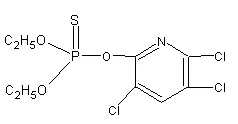
For chemical procurement teams handling agricultural inputs, chlorpyrifos remains one of the most complex regulatory challenges. Since its 1966 patent by Dow Chemical, this organophosphate insecticide (commercially known as Dursban or Lorsban) has faced increasing restrictions due to health and environmental concerns. Understanding the current global status isn't just compliance – it's risk management for your supply chain.
Plant managers report two critical pain points:
Cross-border compliance headaches when shipping treated crops
Unexpected formulation costs after sudden regional bans
When a Brazilian soybean processor faced €460,000 in rejected EU shipments last quarter due to 0.03ppm residues, it highlighted the operational stakes.
Regulatory fragmentation creates minefields for international operations:
U.S. tolerance revocation timelines demand attention:
Food crop uses remain in legal limbo after 2023 court decisions
EPA Docket EPA-HQ-OPP-2024-0431 proposes full revocation
Final ruling expected Q4 2025 with 18-month phaseout
Procurement tip: Audit supplier Certificates of Analysis for MRL compliance weekly.
The 2020 EU ban gained teeth with the 2025 Stockholm Convention listing as a persistent organic pollutant (POP). This triggers three operational challenges:
Border testing for chlorpyrifos now exceeds 80% of EU-bound grain shipments
Detection thresholds lowered to 0.01ppm in 2026
Secondary supplier audits required for all precursors
Leading replacements show varying cost/benefit profiles:
Though controversial, imidacloprid-based formulations offer:
30-40% lower per-acre cost versus diamides
Compatibility with existing application equipment
Watchpoint: Increasing scrutiny on bee toxicity
A Midwest corn operation cut pest control costs 18% after switching, though required new pollinator protection protocols.
Microbial agents like Bacillus thuringiensis address regulatory concerns but present tradeoffs:
| Parameter | Chlorpyrifos | Bt Formulations |
|---|---|---|
| Rainfastness | 72+ hours | 4-6 hours |
| Cost/acre | $8.50 | $12.80 |
| Reapplication frequency | 14 days | 5-7 days |
The higher operational costs often surprise procurement teams – budget 23% more for application labor.
Forward-looking chemical buyers implement three safeguards:
Segregate shipments by destination regulatory status
Maintain 60-day maximum stock to avoid obsolescence
Require suppliers to absorb recall costs in contracts
When Thailand's sudden 2025 ban caught importers off-guard, companies with capped inventory lost 83% less than competitors.
With detection thresholds dropping:
Implement GC-MS testing at receiving docks (not just pre-shipment)
Demand 3rd party validation of supplier CoAs
Budget $4,200/month for increased sample frequency
Reformulation carries hidden expenses most overlook:
Application equipment retrofits: $18,000-$45,000 per sprayer
Worker retraining programs: $120/employee
Buffer zone expansion for sensitive areas
Smart procurement teams negotiate supplier credits for transition costs – one citrus grower secured 70% co-funding for new spray nozzles.
Based on current regulatory momentum:
Begin alternative efficacy trials this growing season
Lock in neonicotinoid supplies before demand spikes
Join EPA comment periods on Docket EPA-HQ-OPP-2024-0431
The chlorpyrifos phaseout isn't speculation – it's procurement reality. Companies treating this as a strategic priority rather than compliance exercise will gain material cost advantages. As one agricultural chemical director noted: "The winners won't be those who resist change, but those who master the transition timeline."