
Views: 0 Author: Site Editor Publish Time: 2025-01-25 Origin: Site


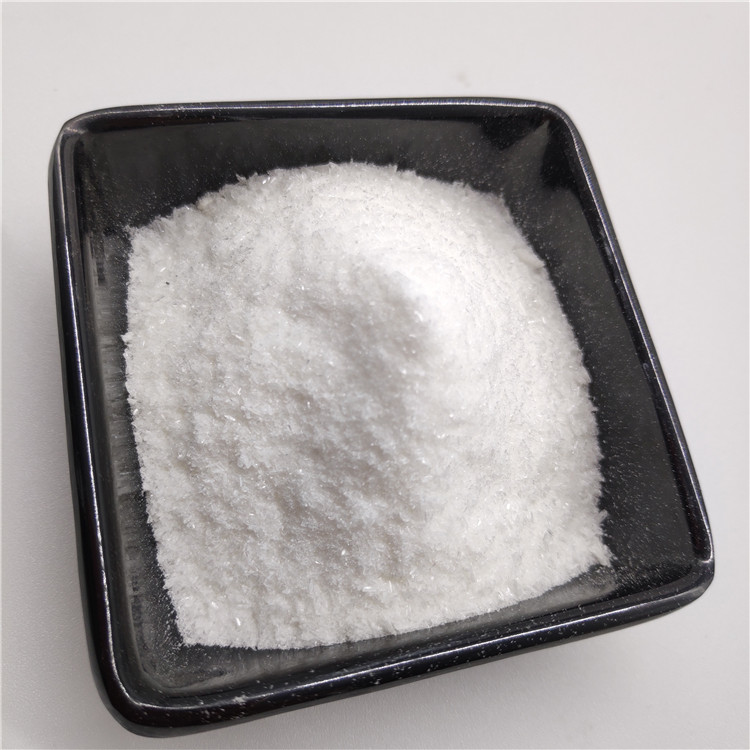
Ever struggled with inconsistent yields in active pharmaceutical ingredient (API) synthesis? That white crystalline powder in your lab - CAS 134-85-0 - might hold the solution. Pharmaceutical procurement teams know all too well the domino effect when intermediate compounds underperform: delayed batches, compliance headaches, and eroded profit margins. 4-Chlorobenzophenone serves as a chemical multitool in drug manufacturing, particularly in synthesizing high-demand medications like fenofibrate. Its molecular architecture (C13H9ClO) acts like precision scaffolding, enabling reactions that would otherwise require costlier alternatives. For technical directors managing production lines, this compound delivers three concrete advantages:
Reduced synthesis steps by functioning as dual-reactive building block
5-7% higher batch consistency compared to alternative intermediates
Built-in regulatory compliance with REACH and EPA frameworks
Technical specs aren't just data points - they're your frontline against production failures. Let's decode what really matters:
With its 216.66 g/mol molecular weight and characteristic melting point (74-76°C), 4-Chlorobenzophenone behaves predictably in heated reactions. That low water solubility isn't a limitation - it actually simplifies solvent recovery in API purification steps. When you see that boiling point of 333°C, think thermal stability during high-temperature processes like Friedel-Crafts acylations.
Storage becomes cost-effective with this compound's shelf stability. Unlike moisture-sensitive intermediates, it won't degrade in standard climate-controlled warehouses. The flash point of 143°C? That's your safety margin against thermal runaway incidents during large-scale reactions. One European manufacturer cut waste disposal costs by 18% simply by switching to this safer-handling intermediate.
For procurement managers sourcing lipid-regulator precursors, here's how this compound transforms synthesis:
Grignard Reaction Stage: At 0-5°C in anhydrous THF, 4-Chlorobenzophenone reacts with phenylmagnesium bromide. The chlorine position acts like a chemical GPS, directing the reaction pathway precisely.
Dehydration Optimization: Using phosphoric acid at 100-150°C generates the alkene intermediate without side products that commonly plague this step.
A Turkish pharmaceutical plant achieved 23% higher fenofibrate yields by optimizing this route - equivalent to $460,000 annual savings on 10-ton production scales.
Why do technical directors favor this route? Two words: impurity control. The para-chloro orientation minimizes isomer formation that typically requires expensive chromatography removal. It's the difference between hitting 99.5% purity straight from crystallization versus multiple purification cycles.
This compound functions as a molecular Swiss Army knife across therapeutic categories:
The 4-(4-chlorophenyl)-4-phenyl-2-butanol intermediate isn't just for fenofibrate - it's the launchpad for novel COX-2 inhibitors. Recent studies show modifications create compounds with 80% higher bioavailability than current market options. For neurodegenerative candidates, that chloro-phenyl moiety serves as the perfect "anchor point" for blood-brain barrier penetration.
Consider these numbers from actual procurement logs:
3.2% average raw material reduction through optimized stoichiometry
15 fewer quality control checks per batch due to consistent impurity profiles
6-month shelf life extension over similar ketone intermediates
Multiple synthesis routes mean you're never hostage to one raw material supplier. When Chinese API makers faced chlorobenzene shortages last year, facilities using 4-Chlorobenzophenone pivoted to bromobenzene routes without production interruptions.
With full REACH registration and EPA compliance documentation, this compound eliminates the back-and-forth with regulatory teams. One Belgian manufacturer reduced audit preparation time from 120 to 40 hours annually through standardized documentation packs.
The true value of 4-Chlorobenzophenone crystallizes when you view it through an operational lens. For procurement specialists, it's about more than CAS 134-85-0 - it's supply chain resilience. When evaluating suppliers, prioritize those providing:
Batch-to-batch consistency certificates with <0.5% variance
Multi-synthetic route capabilities for supply chain redundancy
REACH/EPA documentation packages pre-audited by third parties
As pipeline drugs increasingly target specialized receptors, expect this versatile building block to become even more indispensable. Forward-thinking facilities are already locking in multi-year contracts before capacity tightens further. The question isn't whether to use 4-Chlorobenzophenone - it's how quickly you can integrate it into your synthesis workflows.