



Hydroxyethylidene Diphosphonic Acid (HEDP), also known as Etidronic Acid, is a highly versatile chemical. Widely used in water treatment, pharmaceuticals, and detergents, HEDP plays a critical role in preventing scale formation and corrosion. In this article, we will explore the chemical composition, properties, and diverse applications of HEDP. You will also learn about its safety considerations and environmental impact, showcasing its importance in various industries.
HEDP, or Hydroxyethylidene Diphosphonic Acid, is an organophosphoric acid that serves as a chelating agent and corrosion inhibitor. It’s widely recognized for its ability to bind with metal ions like calcium, iron, and zinc, preventing their precipitation and subsequent scale formation. The molecular formula for HEDP is C2H8O7P2, and it has a molecular weight of 206.03 g/mol.
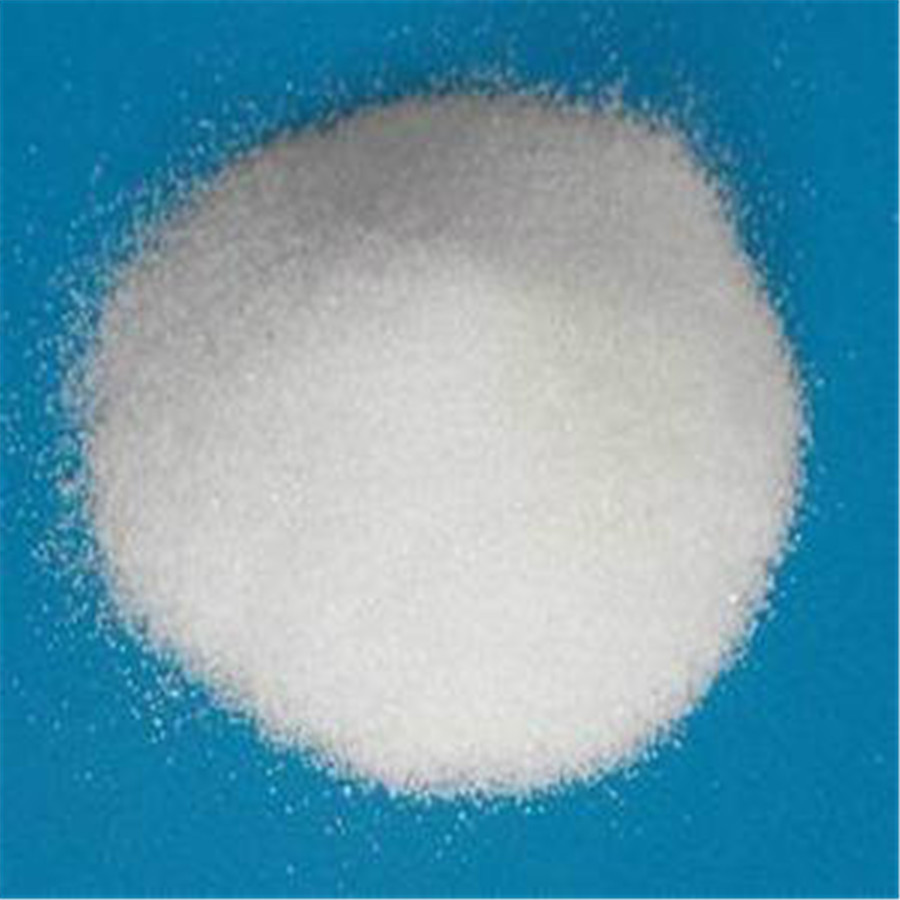
This compound is typically available as a colorless to pale yellow liquid (often at a 60% aqueous concentration) or as a white crystalline powder with high purity.
HEDP is known for its chemical stability, particularly in acidic and alkaline environments. It is also highly resistant to oxidation in the presence of chlorine, which makes it ideal for use in water treatment systems where chlorine is prevalent. Additionally, its reactivity with metal ions like calcium and iron allows it to form stable complexes that inhibit corrosion and scale formation.
Appearance: Colorless to pale yellow liquid or white crystalline powder.
Stability: Stable in a wide range of temperatures and pH conditions.
Reactivity: Forms stable complexes with metal ions like calcium (Ca²⁺), iron (Fe²⁺), and zinc (Zn²⁺).
HEDP is highly soluble in both water and organic solvents, making it versatile in various applications. Its chelating properties allow it to form stable complexes with divalent metal ions such as calcium (Ca²⁺) and iron (Fe²⁺), preventing these ions from precipitating and forming scale. This ability is particularly beneficial in industrial water systems, where scale buildup can clog pipes and damage equipment. By sequestering metal ions, HEDP not only reduces scale formation but also enhances the efficiency of heat exchange systems, prolonging the lifespan of critical machinery and reducing maintenance costs.
HEDP is widely used in industrial water systems to prevent scale formation and corrosion, particularly in cooling towers and boilers. Its ability to inhibit mineral buildup helps in maintaining system efficiency and protecting equipment.
| Application | Function | Benefits | Example Use Case |
|---|---|---|---|
| Cooling Towers | Scale and corrosion inhibitor | Prevents mineral buildup, extends equipment life | Water treatment in large cooling systems |
| Boilers | Prevents mineral buildup | Maintains heat transfer efficiency, reduces damage | Power plant boiler systems |
Tip: Regular maintenance with HEDP can improve system lifespan and reduce downtime.
In the cleaning industry, HEDP helps mitigate the effects of hard water, improving detergent efficiency. It stabilizes peroxides during the bleaching process, making cleaning agents more effective over time.
| Application | Function | Benefits | Example Use Case |
|---|---|---|---|
| Detergents | Prevents hard water effects | Enhances cleaning efficiency | Household and industrial detergents |
| Textile Industry | Peroxide stabilizer, controls metal ions | Improves bleaching and dyeing processes | Textile production and dyeing |
Tip: Use HEDP-based detergents to enhance performance in hard water conditions.
HEDP is effective in treating metal surfaces, providing corrosion inhibition and enhancing the durability of metal components, especially in oil and gas pipelines and electroplating processes.
| Application | Function | Benefits | Example Use Case |
|---|---|---|---|
| Oil and Gas Pipelines | Corrosion inhibitor | Protects against rust and oxidation | Oil and gas pipeline maintenance |
| Electroplating | Chelating agent | Improves electroplating quality | Metal surface treatment in manufacturing |
Tip: Apply HEDP to protect metal surfaces in harsh environments and extend their lifespan.
HEDP is used as a bisphosphonate in the pharmaceutical industry to treat bone diseases like Paget’s disease and osteoporosis. It works by inhibiting osteoclast activity, reducing bone breakdown.
| Application | Function | Benefits | Example Use Case |
|---|---|---|---|
| Bone Diseases | Inhibits bone breakdown | Reduces osteoclast activity, strengthens bones | Treatment of Paget's disease and osteoporosis |
| Bone Strengthening | Reduces bone absorption | Increases bone density and strength | Long-term bone health management |
Tip: HEDP provides effective bone disease treatment and enhances bone health over time.
HEDP is a highly corrosive chemical that can cause severe skin burns and eye damage if it comes into contact with the skin or eyes. To ensure safety while handling HEDP, it is essential to wear appropriate protective gear, including gloves, goggles, and protective clothing. Additionally, working in a well-ventilated area is crucial to minimize exposure to harmful fumes. By taking these precautions, the risks associated with handling HEDP can be significantly reduced, ensuring safe usage in industrial or laboratory settings.
Tip: Always store HEDP in a safe, cool, and dry place to minimize environmental exposure.
Compared to older chelating agents like EDTA, HEDP is considered more environmentally friendly due to its biodegradability. It breaks down more easily in natural environments, making it a safer alternative in various industrial applications. Despite this advantage, it is still essential to monitor the use of HEDP, especially in large-scale systems, to ensure that it does not accumulate in the environment. While HEDP is less harmful than its predecessors, its widespread use in water treatment and industrial processes requires careful management to minimize its environmental impact and ensure sustainability.
HEDP is widely approved for use in water treatment and pharmaceutical applications across many countries. However, the safety regulations surrounding its use can vary significantly between regions. Manufacturers must ensure compliance with local standards to meet safety requirements and regulations. This is especially important in the pharmaceutical industry, where strict guidelines govern the use of chemicals in medical treatments. Adhering to these regulations is essential not only for legal compliance but also for ensuring the safety and effectiveness of HEDP in various applications.
HEDP is primarily produced using phosphorous acid or phosphorus trichloride as raw materials. In the production process, acetic acid is also formed as a by-product. This process is commonly used by manufacturers in the United States and other regions.
Production Process: Typically produced in a glass-lined reactor using phosphorous acid.
By-products: Acetic acid is generated as a side product.
HEDP can be produced in both liquid and crystalline forms, each suited for different applications. The manufacturing method used affects the purity and overall quality of the final product. Below is a detailed comparison of the two forms.
| Property | Liquid Form | Crystalline Form |
|---|---|---|
| Production Process | Typically produced as a 60% aqueous solution. | Produced as a high-purity powder with greater crystallization. |
| Purity | Lower purity compared to crystalline form, often used in large-scale industrial applications. | Higher purity, essential for sensitive applications like pharmaceuticals. |
| Applications | Commonly used in water treatment systems, detergents, and industrial cleaning. | Preferred for pharmaceutical applications and specialized chemical formulations. |
| Storage | Requires careful handling to prevent freezing; stored in plastic drums or IBC containers. | Stored in sealed bags or containers, typically in dry, cool environments. |
| Stability | Stable in wide pH and temperature ranges but less stable in the presence of strong oxidizers. | Higher stability due to crystallization, making it suitable for long-term storage. |
Tip: Choose crystalline HEDP for applications requiring high purity, like pharmaceuticals.
Beyond its traditional applications, research is uncovering new uses for HEDP, particularly in sectors like mining, where it is being explored as a depressant to separate valuable minerals from unwanted materials. Its ability to interact with metal ions makes it a potential game-changer in flotation processes, improving efficiency and selectivity in mineral extraction.
Mining: New research shows that HEDP can improve mineral separation processes by selectively inhibiting unwanted minerals.
Environmental Cleanup: HEDP is being studied as a potential agent for soil remediation and heavy metal contamination cleanup due to its chelating properties.
As industries continue to evolve and face new challenges, ongoing research into HEDP’s properties is likely to expand its potential applications. Its ability to bind metal ions and prevent scale and corrosion positions HEDP as a key player in future technological advancements. Current studies are focused on enhancing its capabilities, particularly in green chemistry and sustainable practices. These innovations aim to improve the environmental safety of HEDP, making it an even more valuable compound for emerging industries while ensuring that its use remains eco-friendly and efficient.
HEDP offers several advantages, particularly in industrial and cleaning applications. Its effectiveness as a scale inhibitor and corrosion protection agent makes it indispensable in maintaining the longevity of industrial equipment.
Effectiveness: Excellent scale inhibition and corrosion protection.
Stability: Performs well across a wide range of pH levels and temperatures.
Wide Application: Suitable for water treatment, detergents, and metal treatment industries.
Despite its many benefits, HEDP also has limitations. Its corrosive nature means it requires careful handling and storage. Additionally, its potential environmental impact in large-scale use must be considered.
Safety: Corrosive nature requires careful handling.
Environmental Concerns: Potential risks in large-scale use and disposal.
HEDP is a highly versatile chemical used in water treatment, pharmaceuticals, and detergents. It effectively prevents scale formation, inhibits corrosion, and stabilizes metal ions, making it essential across various industries. However, due to its corrosive properties, careful handling is required, and its environmental impact should be monitored. As research progresses, HEDP's applications are likely to expand, providing more solutions in emerging sectors. JIANGYIN TRUST INTERNATIONAL INC offers high-quality HEDP products, ensuring reliable performance and compliance with industry standards for water treatment and pharmaceutical applications.
A: HEDP (Hydroxyethylidene Diphosphonic Acid) is a chemical compound widely used as a chelating agent and corrosion inhibitor in water treatment, pharmaceuticals, and detergents.
A: HEDP binds to metal ions like calcium and iron, preventing them from precipitating and forming scale on surfaces in water systems.
A: HEDP is used in water treatment, cleaning agents, metal surface treatments, and as a stabilizer in textiles and electroplating.
A: Compared to older chelating agents like EDTA, HEDP is biodegradable and less harmful to the environment, though its use should be monitored.
A: HEDP is corrosive; wear gloves, goggles, and protective clothing. Ensure proper ventilation when handling it to prevent skin and eye damage.