
Views: 0 Author: Site Editor Publish Time: 2025-12-17 Origin: Site


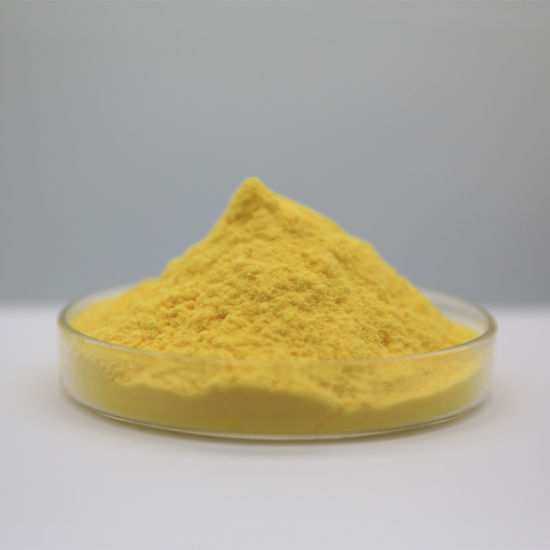
Chemists recognize 8-hydroxyquinoline sulfate (CAS 134-31-6) as a standout yellow crystalline powder, prized for its ready solubility in water and dual capabilities as a potent fungicide and metal binder. Its molecular structure, (C₉H₇NO)₂·H₂SO₄, enables it to tightly bind metal ions while delivering robust antimicrobial effects. This dual functionality makes it indispensable across multiple sectors.
Farmers and foresters rely heavily on this compound to control stubborn fungal diseases. Take horticulture: it effectively shields strawberries against devastating gray mold (*Botrytis cinerea*). How? By disrupting the fungus’s energy metabolism, it halts spore activation and stops fungal spread. Forestry applications are equally critical, notably in fighting Dutch elm disease—a notorious killer of elm trees worldwide. Interestingly, its systemic nature allows it to move within a plant’s vascular network after application. This means even unsprayed sections gain protection, offering durable defense against internal pathogen movement.
Post-harvest, this agent extends produce shelf life dramatically. Applied to fruits and vegetables, it suppresses mold and bacterial growth, cutting spoilage while preserving quality. Citrus handlers, for example, use it to prevent costly green and blue mold outbreaks during shipping and storage. For seeds, it’s a vital shield. Coatings containing 8-hydroxyquinoline sulfate defend against soil pathogens like Pythium and Fusarium, boosting germination rates and reducing deadly damping-off in seedlings. Its water solubility is a practical advantage—farmers easily incorporate it into soak solutions, slurries, or dry powder treatments.
Here's what makes it remarkable: this compound forms rock-solid, insoluble complexes with heavy metals—think iron, copper, zinc, and lead. Industrial wastewater treatment plants leverage this trait to precipitate toxins, ensuring discharge meets strict environmental rules. This capability is non-negotiable in mining, electroplating, and chemical manufacturing, where metal pollution poses severe ecological threats.
Metal processors employ it during surface treatments to build protective films. By sequestering trace metal ions, it blocks oxidation pathways, significantly boosting the corrosion resistance of steel, aluminum, and alloys. Electroplating operations also benefit—it stabilizes metal ions in baths, ensuring even, high-quality coatings deposit onto products.
Synthetic chemists value it as a crucial ligand in metal-catalyzed reactions. Stabilizing transition metal ions, it drives precise organic transformations with impressive efficiency and selectivity. This makes it particularly valuable in producing pharmaceuticals and fine chemicals where reaction control is paramount.
The secret lies in its heterocyclic structure. The quinoline ring and hydroxyl group specifically target fungal enzymes. Key among these are proteins in the electron transport chain—disrupting electron flow cripples ATP production, starving fungal cells of energy. Field tests confirm it also attacks enzymes building fungal cell walls (like chitin and glucan producers). Weakened walls make cells rupture easily under osmotic stress. Plus, its systemic mobility is a game-changer: absorbed by plants, it moves via xylem and phloem, safeguarding even new growth from invading fungi.
Its chelation prowess stems from the hydroxyl group's oxygen and the quinoline ring's nitrogen—both donate electron pairs to metal ions. This forms ultra-stable 5 or 6-membered rings. Picture copper (Cu²⁺): two molecules latch on, each bonding via O and N atoms, creating an inert complex. This binding either yanks metals out of solution (crucial for purification) or blocks their participation in damaging reactions. In corrosion control, it passivates metal surfaces; in catalysis, it locks metals into optimal reactive states.
8-Hydroxyquinoline sulfate (CAS 134-31-6) stands as a uniquely versatile chemical workhorse. Experts note its seamless ability to tackle both biological threats and metal-related challenges makes it economically vital across industries. With agriculture demanding greener solutions and industry prioritizing sustainability, this dual-action compound appears poised to remain essential—delivering effective results while balancing environmental stewardship.