
Views: 0 Author: Site Editor Publish Time: 2025-12-13 Origin: Site


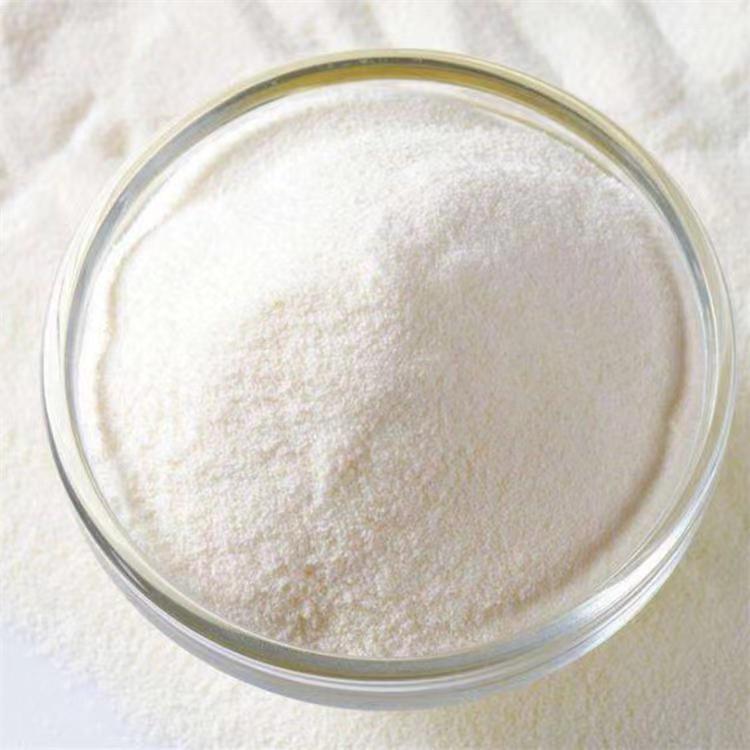
For plant managers battling microbial contamination, DBNPA (CAS 10222-01-2) delivers rapid protection where other biocides fail. This white crystalline solid (melting point 122-125°C) maintains stability in high-heat industrial processes while dissolving readily in common solvents like acetone.
Ever faced unexpected shutdowns due to slime buildup? DBNPA penetrates cell walls in minutes - not hours - disrupting enzymes critical to microbial survival. Its broad-spectrum action eliminates bacteria, fungi and algae before they compromise your operations.
Cooling water systems: Maintains heat exchanger efficiency by preventing mineral scaling caused by bacterial colonies
Coatings protection: Eliminates fungal degradation that causes paint peeling in humid environments
Product preservation: Extends shampoo shelf-life by 40% in tropical warehouses without altering formulations
Consider a Midwestern paper mill that reduced pulp spoilage by 23% after switching to DBNPA - the equivalent of saving $18/ton in waste reduction. That's the tangible impact of proper microbial control.
When biofilm accumulates in cooling systems, it acts like insulation - reducing heat transfer by up to 40%. DBNPA strips away this biological blanket, maintaining flow rates while preventing under-deposit corrosion that leads to pipe failures.
Those mysterious gel clots in paint buckets? Often fungal contamination degrading cellulose thickeners. DBNPA prevents in-can spoilage even in monsoon-prone regions, ensuring consistent viscosity from first to last drum.
Unlike oxidizing biocides that demand special handling, DBNPA integrates smoothly with existing plant chemistries - a key advantage for operations managers juggling multiple treatment programs.
Pair DBNPA with triazole fungicides to create a microbial barrier system. While triazoles target cell membranes, DBNPA disables metabolic enzymes - like installing dual locks on contamination doors.
Unlike chlorine-based alternatives, DBNPA won't compromise benzotriazole corrosion inhibitors. A Texas refinery confirmed this compatibility extended heat exchanger life by 14 months during their last audit.
Why settle for 80% microbial control when synergistic blends deliver 99%+ efficacy? Combining DBNPA with complementary actives creates multi-layered defense systems that bypass resistance mechanisms.
When DBNPA teams with quaternary ammonium compounds (QACs), they attack microbes like specialized task forces: QACs breach outer walls while DBNPA disables critical life support inside. This pincer movement reduces effective dosages by up to 50%.
A major coatings manufacturer achieved:
3x faster biofilm penetration using DBNPA/CMIT blends
Complete elimination of surface molds in high-humidity applications
24-month shelf stability meeting strict ASEAN market requirements
With global regulations tightening, DBNPA's environmental profile makes compliance simpler. Its rapid decomposition minimizes aquatic impact - a critical factor for facilities discharging to municipal systems.
Synergistic blends allow 30-40% lower active ingredient volumes. For a 500,000-gallon cooling system, this translates to 1.2 fewer chemical tanker deliveries annually while maintaining protection.
DBNPA carries approvals under both EPA and REACH frameworks, plus critical certifications for pulp/paper applications. Its documentation trail simplifies audits for multinational suppliers.
Selecting DBNPA isn't just about microbial control - it's about protecting your bottom line. Consider these operational benefits:
Reducing biofilm in heat exchangers maintains energy efficiency - a 1mm slime layer increases power consumption by up to 7%. That's $18,000/year savings for a standard 2MW cooling system.
Unexpected microbial contamination causes average 14 hours of downtime per incident. DBNPA's rapid action prevents such disruptions - protecting both schedules and customer commitments.
| Parameter | Value | Application Note |
|---|---|---|
| CAS Number | 10222-01-2 | Essential for customs documentation |
| Molecular Formula | C3H2Br2N2O | Compact structure enables deep biofilm penetration |
| Melting Point | 122-125°C | Remains stable during hot-fill processes |
| Solubility @25°C | 1.5g/100ml water | Prefers methanol/acetone for concentrated stock solutions |
| Primary Applications | Cooling water treatment • Paint preservation • Paper mill slimicide • Personal care preservation | |