
Views: 0 Author: Site Editor Publish Time: 2025-12-03 Origin: Site


Industrial water systems – think cooling towers, recirculating loops, and the like – face a constant battle against unwanted microbial guests. Left unchecked, bacteria multiply, algae blooms flourish, and stubborn slime layers form, crippling efficiency and hygiene. That's where bronopol steps in. This potent antimicrobial agent has become a cornerstone solution for savvy plant managers, effectively tackling microbial threats to keep systems running smoothly. Let's break down how bronopol works and why it's so valuable.
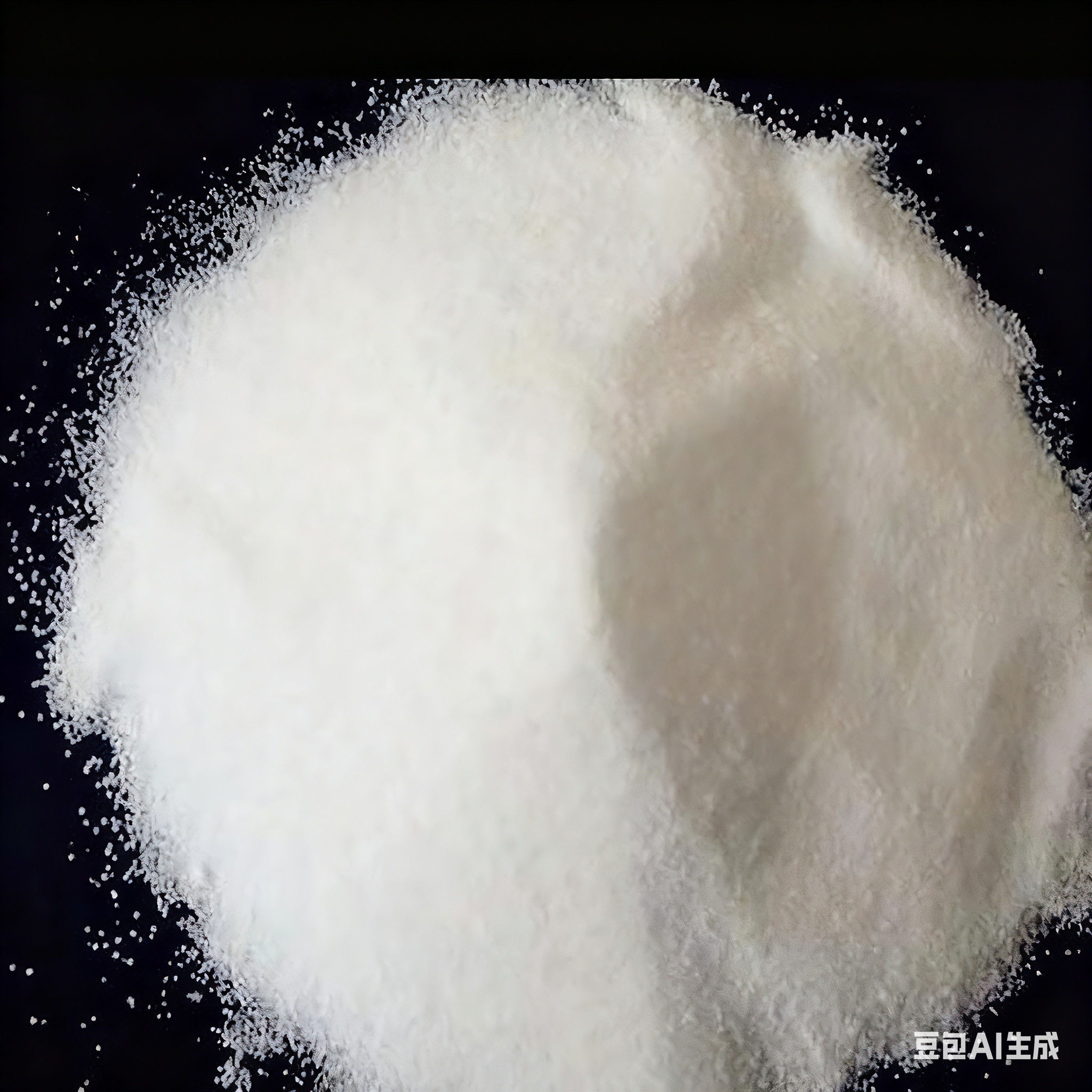
Chemically identified as 2-bromo-2-nitropropane-1,3-diol, bronopol doesn't mess around. Its power hinges on releasing active bromine and reactive nitro groups right where microbes live. Here’s the clever bit: in water, bronopol breaks down, generating formaldehyde and bromonitromethane. These guys are small enough to slip through microbial cell walls. Once inside, they go straight for vital thiol groups found in key enzymes and proteins. The result? Crucial processes like DNA synthesis and cellular respiration get shut down hard. This one-two punch delivers broad-spectrum control, knocking out bacteria, algae, and the biofilms that form the foundation of slime.
Industrial water, warm and often nutrient-rich, is prime real estate for bacteria. Both troublesome gram-negative strains like Escherichia coli and gram-positive types such as Staphylococcus aureus can thrive. Bronopol targets their cell membranes, causing leaks and catastrophic damage. It's particularly sharp against sulfate-reducing bacteria (SRB), notorious for causing corrosion and fouling. The impressive part? Bronopol stops bacterial replication dead at remarkably low concentrations (typically 5–50 ppm). This prevents corrosive, pathogenic communities from ever gaining a foothold, safeguarding water quality and expensive equipment.
Algae, including green algae (*Chlorella*) and problematic cyanobacteria, rely entirely on photosynthesis. Bronopol throws a serious wrench into that process. It disrupts chlorophyll and blocks the electron transport chain, essentially cutting off their energy supply. Furthermore, it interferes with the building of algal cell walls. This double action stops them from colonizing critical surfaces like heat exchangers. Regular treatment keeps algal biomass low, which in turn minimizes light absorption and dangerous oxygen depletion – key triggers for bigger blooms and worsening slime problems.
That sticky, frustrating slime? It’s mostly EPS (extracellular polymeric substances), a protective matrix secreted by bacteria and algae to build resilient biofilms. These films act like microbial fortresses, shielding inhabitants from stress and chemicals. Bronopol, however, is adept at penetration. It infiltrates the biofilm layers, hitting both free-swimming planktonic cells and the sessile microbes embedded in the EPS matrix. On top of that, it degrades EPS components and disrupts quorum sensing – the chemical chatter bacteria use to coordinate biofilm construction. This action prevents slime from adhering to pipes and equipment surfaces. The payoff? Better heat transfer efficiency and a lower risk of blockages or sneaky under-deposit corrosion.
Operators typically integrate bronopol into their broader water treatment strategy. Application is flexible – continuous low-dose feeding often handles baseline control, while shock dosing tackles sudden contamination spikes. A key practical advantage is its stability across a **wide pH range (5–9)**, making it suitable for diverse system chemistries. It also plays well with other common treatments like scale inhibitors. Importantly, unlike some persistent biocides, bronopol breaks down into non-toxic byproducts, aligning well with modern environmental and sustainability targets without sacrificing efficacy.
When industries grapple with the intertwined problems of bacteria, algae, and biofilm slime in their water systems, bronopol consistently delivers. Its multi-pronged attack provides robust, broad-spectrum microbial control. The result? Protected equipment, sustained operational efficiency, and responsible water management. For reliability and effectiveness in maintaining industrial water system integrity and meeting compliance demands, bronopol remains a trusted frontline defender.