
Views: 0 Author: Site Editor Publish Time: 2025-12-10 Origin: Site


Cooling towers and circulating water networks face relentless threats from bacteria, algae, and slime—bio-contaminants that sabotage efficiency and corrode equipment. Enter DBNPA (2,2-Dibromo-3-nitrilopropionamide), a rapid-response biocide that’s become indispensable for modern water treatment. Let’s examine how this compound tackles microbial invaders, its operational advantages, and practical implementation strategies.
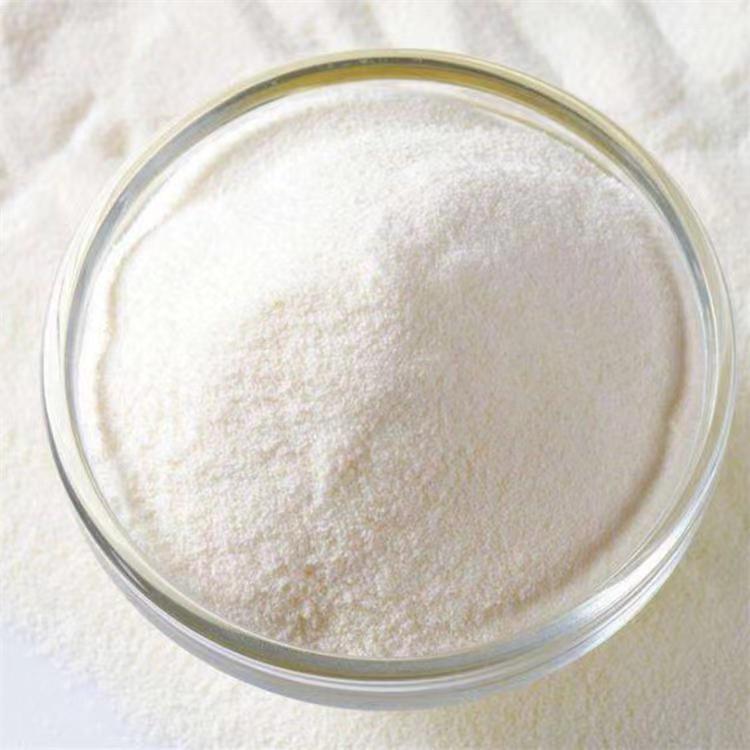
DBNPA deploys active bromine compounds that breach cell walls, crippling metabolic functions and neutralizing critical enzymes. This lightning-fast action eliminates planktonic bacteria and biofilm-formers like E. coli and Pseudomonas aeruginosa. Consider this real-world impact: When E. coli colonizes cooling towers, it excretes sticky extracellular polymeric substances (EPS) that cement biofilms to metal surfaces. DBNPA nips this process in the bud by killing bacteria before they establish destructive colonies.
Nutrient-rich cooling water practically rolls out the welcome mat for green, red, and blue-green algae. DBNPA counters by dismantling their photosynthesis machinery—blocking chlorophyll production and triggering cell rupture. Whether targeting unicellular troublemakers like Chlorella or filamentous strains, it prevents biomass buildup that chokes heat exchangers. Picture Chlorella blooming explosively in phosphorus-laden water; DBNPA intervenes at the photosynthetic level, stopping blooms before they foul the system.
That slippery biofilm matrix isn’t just gross—it accelerates scaling and corrosion. DBNPA’s dual approach kills embedded microbes while dissolving the glue holding biofilms together. The result? Maintenance crews can easily flush away weakened slime layers. Imagine circulating water systems where slime acts like insulation on heat exchanger surfaces; DBNPA degrades this barrier, restoring thermal efficiency without mechanical scrubbing.
Forget slow-release alternatives—DBNPA delivers measurable microbial knockdown within minutes. This makes it perfect for emergency outbreaks or scheduled maintenance. During unexpected bacterial spikes, shock treatments rapidly restore water quality, preventing equipment damage and avoiding costly unplanned shutdowns
Effective at just 5–20 ppm, DBNPA slashes chemical costs and waste. It stays stable in common industrial pH ranges (5–7), eliminating fussy adjustments. Better still, it decomposes into harmless cyanacetamide—no toxic legacy. Translation: lower procurement budgets and greener compliance reports.
DBNPA amplifies other treatments brilliantly. Paired with chlorine, it creates a microbial one-two punch: chlorine oxidizes free-floating bacteria while DBNPA penetrates biofilms. Add dispersants, and you get enhanced slime penetration. This synergy lets engineers customize cocktails for any contamination scenario.
Base your approach on system volume, contamination levels, and infrastructure. Continuous feed maintains protection in large cooling towers, while intermittent shocks handle flare-ups in compact systems. Pro tip: Monitor pH (keep ≤7) and redox potential religiously—high pH accelerates DBNPA breakdown.
Respect DBNPA’s corrosiveness. Workers need chemical-resistant gloves, goggles, and aprons during handling. Storage demands cool, dry isolation from reducing agents like hydrogen sulfide—contact triggers premature degradation, wasting your biocide investment.
DBNPA remains industrial water treatment’s workhorse biocide because it delivers speed, versatility, and ROI. By surgically targeting bacteria, algae, and slime through multiple attack vectors, it protects critical infrastructure from efficiency drains and corrosion. Consistent monitoring and disciplined protocols maximize its value—making it the go-to defensive strategy for high-stakes water systems.