
Views: 0 Author: Site Editor Publish Time: 2025-11-22 Origin: Site


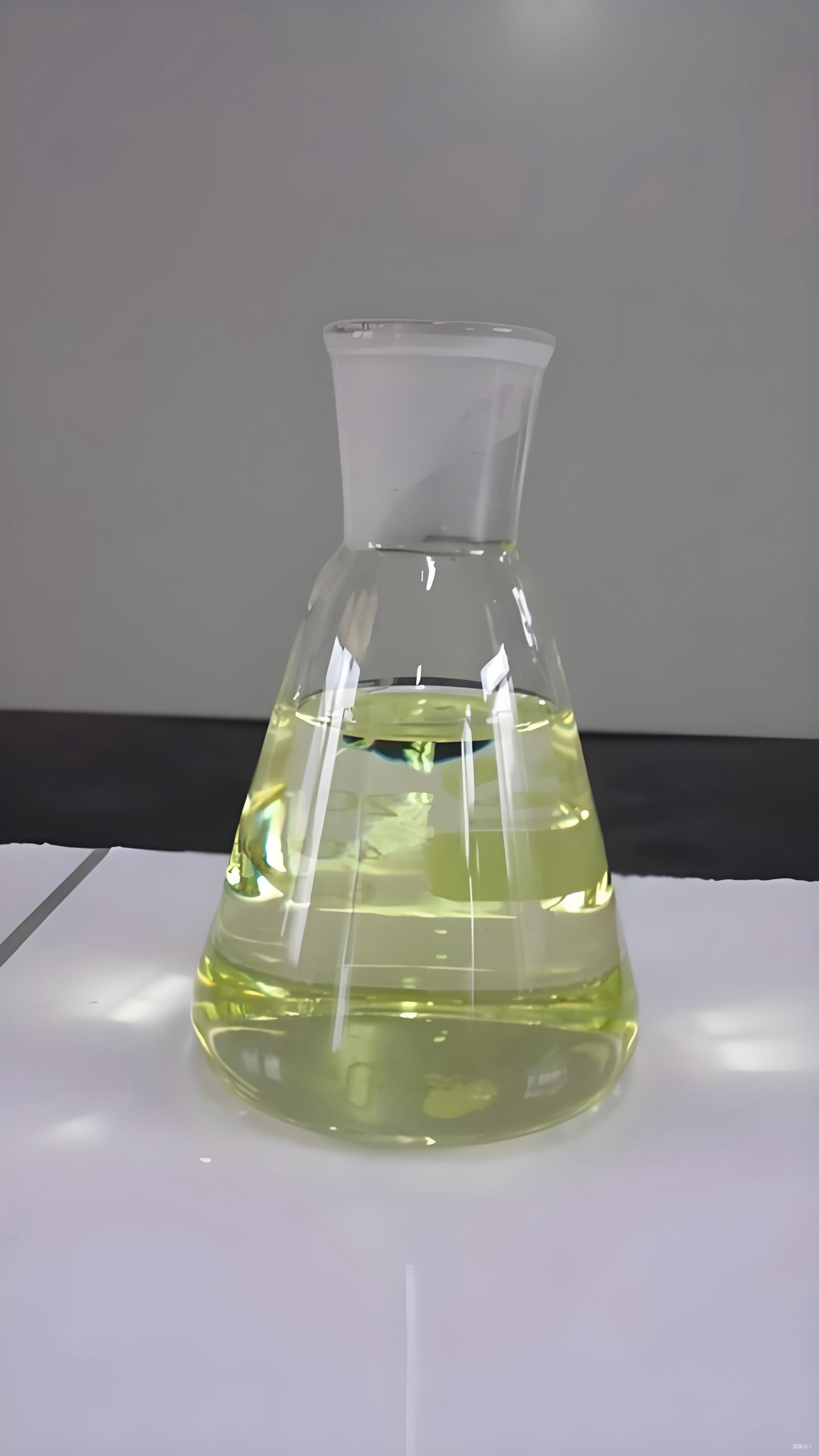
Methylchloroisothiazolinone (CIT) and methylisothiazolinone (MIT) serve as frontline defenders against microbial contamination in cosmetics. Yet balancing their efficacy with consumer safety requires strict adherence to evolving global standards. Below, we break down current compliance landscapes across key markets—focusing on where formulations can legally incorporate these preservatives and at what levels.
EU Regulation (EC) No 1223/2009 permits CIT/MIT but treats them with significant caution. Following multiple Scientific Committee on Consumer Safety (SCCS) assessments triggered by rising contact dermatitis cases, Europe implemented some of the toughest restrictions worldwide.
- Rinse-off products (shampoos, shower gels):
A maximum 15 ppm blend is allowed only when CIT and MIT maintain a strict 3:1 ratio.
- Leave-on products (lotions, creams):
Both compounds face an outright ban. This zero-tolerance policy took effect in 2013 after MIT alone sparked alarming sensitization rates.
The FDA defers to Cosmetic Ingredient Review (CIR) expert panels, which currently endorse limited CIT/MIT use. Unlike the EU’s blanket ban, the US approach allows nuanced application.
- Rinse-off formulations:
Mirroring EU standards, 15 ppm remains the ceiling for the 3:1 CIT/MIT combination.
- Leave-on products:
While CIT remains prohibited, MIT earns a narrow exception—capped at 10 ppm (0.001%). Field data suggests this minimizes prolonged exposure risks without compromising preservation.
The ASEAN Cosmetic Directive largely aligns with EU principles but incorporates US-style pragmatism. Regional manufacturers must navigate this hybrid framework carefully.
- Rinse-off category:
The familiar 15 ppm CIT/MIT blend (3:1 ratio) prevails across Southeast Asia.
- Leave-on products:
ASEAN prohibits CIT entirely but permits MIT up to 10 ppm—identical to US limits. This regional concession reflects ongoing safety evaluations rather than a lax stance.
Global divergence stems from varying risk interpretations of the same sensitization data. Europe prioritizes precautionary bans, while the US and ASEAN adopt exposure-controlled tolerance. Crucially, rinse-off products maintain universal alignment at 15 ppm for CIT/MIT blends. For formulators, meticulous concentration tracking isn’t just compliance—it’s brand protection.