
Views: 0 Author: Site Editor Publish Time: 2025-12-13 Origin: Site


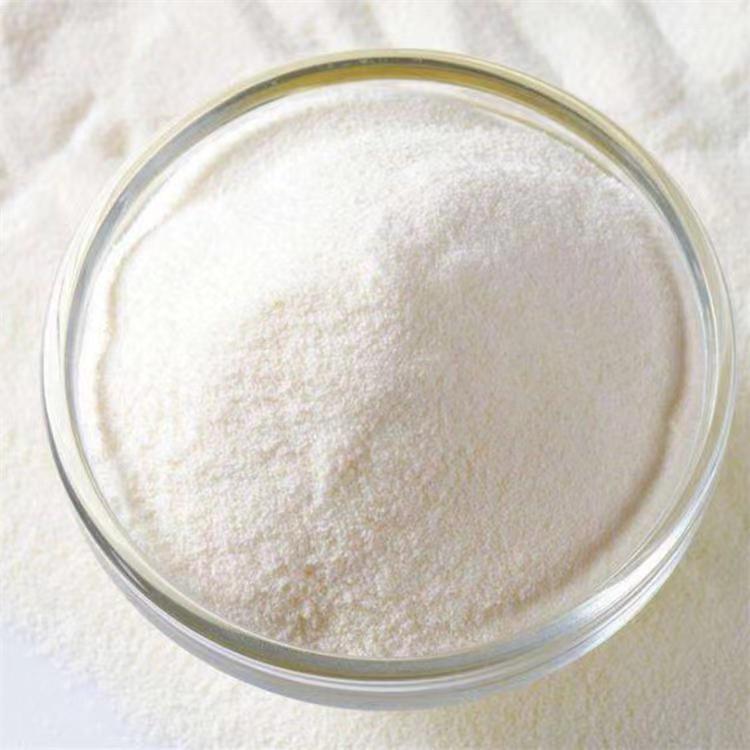
DBNPA (2,2-dibromo-2-cyanoacetamide) presents as a white crystalline solid with the chemical formula C3H2Br2N2O and molecular weight of 241.869. You'll find it has a density of 2.5 ± 0.1 g/cm³, melting between 122–125°C, and boiling at approximately 221.5 ± 40.0°C under standard pressure. While slightly water-soluble (1.5g/100mL at 25°C), it dissolves readily in methanol, acetone, and similar organic solvents
What makes DBNPA truly valuable is its broad-spectrum antimicrobial power. Across industries, it consistently prevents bacterial, fungal, and algal growth:
- Water treatment systems: Protects cooling infrastructure by maintaining heat exchanger efficiency while preventing pipeline corrosion and blockages
- Coatings industry: Preserves paint integrity by stopping microbial degradation, ensuring surfaces retain both durability and appearance
- Personal care: Extends shelf-life in shampoos and lotions by preventing contamination
The secret to its effectiveness? DBNPA breaches microbial defenses almost instantly. Once inside cells, it wreaks havoc by disabling critical enzymes and disrupting vital oxidation processes.
2.1 Fungicide Partnerships
Field experience shows DBNPA teams up exceptionally well with azoles, thiocarbamates, and phenylpyrroles. Its non-oxidizing nature maintains stability across varying pH levels without compromising either component's effectiveness. Take triazole fungicides—while they attack fungal ergosterol, DBNPA independently disrupts cellular respiration. This dual-action approach delivers powerful protection, though formulators should note that strong reducing agents can gradually diminish its potency.
In cooling water applications, DBNPA cooperates seamlessly with both organic amines and inorganic phosphate esters. Unlike some biocides that degrade protective films, it won't interfere with corrosion inhibitors forming stable layers on metal surfaces. Studies confirm it preserves benzotriazole's protective capabilities—a critical advantage when battling both microbes and corrosion in harsh industrial environments.
DBNPA's real superpower emerges in combination treatments. It attacks microbial thiol groups while partners like quaternary ammonium compounds (QACs) dismantle cell membranes. This pincer movement creates remarkable synergy—quantified by plunging MIC (minimum inhibitory concentration) values. Consider Pseudomonas aeruginosa, that notoriously stubborn water system contaminant:
| Treatment | MIC Reduction | Efficacy Gain |
| DBNPA alone | Baseline | Moderate |
| QAC alone | Baseline | Moderate |
| DBNPA + QAC | ≤50% MIC | High |
This dual-targeting strategy overcomes resistance mechanisms that routinely defeat single-mode biocides.
Pairing DBNPA with isothiazolinones (MIT/CMIT) creates particularly robust solutions. In paint preservation, we see these blends:
- Penetrate biofilm matrices 3x faster than solo actives
- Eliminate both floating (planktonic) and surface-bound (sessile) microbes
- Prevent paint degradation twice as long
Practically speaking, this synergy translates to more sustainable solutions too. Lower active ingredient loads mean reduced environmental impact while maintaining performance—a balancing act that's tough to achieve otherwise.
With its rare trifecta of compatibility, synergistic potential, and broad efficacy, DBNPA remains a formulation cornerstone across industries. The key lies in smart engineering—optimizing pH balances, concentration ratios, and microbial targeting. When properly configured, this versatile biocide delivers robust protection whether safeguarding industrial water towers, agricultural equipment, or your favorite shampoo.