
Views: 0 Author: Site Editor Publish Time: 2024-04-30 Origin: Site


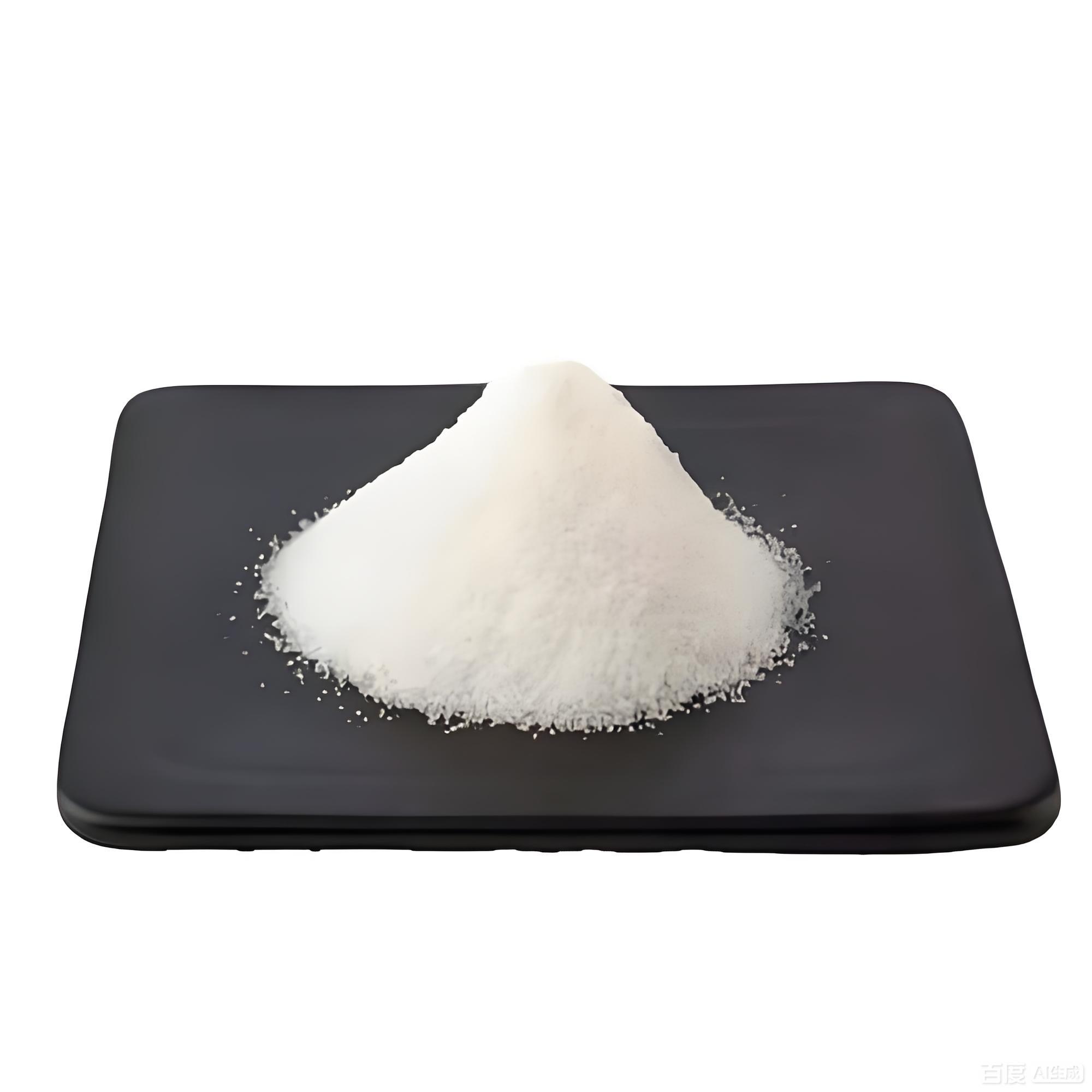
Are inconsistent peptide yields impacting your production timelines? As someone responsible for sourcing chemical reagents, you understand how crucial coupling agents are to your bottom line. DCC (N,N'-Dicyclohexylcarbodiimide, CAS 538-75-0) remains the gold-standard dehydrating agent in organic synthesis for good reason. This comprehensive guide cuts through technical jargon to deliver actionable insights for procurement specialists managing pharmaceutical intermediates or research chemicals.
Understanding DCC's physical properties translates directly to operational efficiency:
With its 34-35°C melting point and 122-124°C boiling point (at 6mm Hg), DCC maintains structural integrity throughout typical reaction cycles. This thermal resilience prevents degradation during extended synthesis operations - a major advantage over alternatives requiring strict cold-chain logistics. The 1.247 g/mL density ensures precise volumetric dispensing in automated systems.
DCC's complete insolubility in water (critical for moisture-sensitive reactions) while dissolving readily in benzene, ethanol, and ether allows flexible solvent selection. This eliminates costly solvent-change procedures between reaction stages. One contract manufacturer reduced changeover time by 40% by leveraging DCC's ethanol compatibility in their peptide production line.
The 190°F flash point clearly defines handling requirements: standard vapor control prevents ignition risks during bulk transfers. Contrast this with low-flash-point alternatives requiring explosion-proof equipment costing upwards of $50,000 per transfer station. Proper handling protocols virtually eliminate the formation of irritating byproducts like dicyclohexylurea (DCU).
DCC's dehydration mechanism prevents racemization - the silent yield-killer in chiral molecule production. A European API manufacturer eliminated 23% rejection rates in oxytocin synthesis by implementing DCC-controlled coupling. The compound's role in glutathione production enables commercial-scale batches meeting strict USP monographs through consistent water removal.
For nucleotide synthesis, DCC's anhydride formation capability cut cycle times by 30% at a Florida CDMO facing coupling inconsistencies. Their solution? Pairing DCC with DMAP catalysts for explosive yield improvements. Additional applications include:
High-purity ester formation for fragrance manufacturing
Ketone synthesis without over-oxidation side products
Pharmaceutical intermediate production with minimized purification needs
Simple sub-30°C storage (standard industrial chillers suffice) prevents decomposition without cryogenic costs. A mid-sized research facility saved $18,000 annually by switching from ultra-low-temperature reagents to DCC. The pale yellow liquid appearance provides immediate visual degradation alerts - crystallization signals moisture contamination requiring batch quarantine.
Implement these best practices to avoid costly shutdowns:
Purge transfer lines with dry nitrogen before loading
Use PTFE-sealed containers to prevent moisture ingress
Conduct monthly vapor point verification tests
Install local exhaust ventilation at transfer points
Train personnel on immediate response to crystallization events
Insist on these critical documents from suppliers:
Batch-specific REACH/EPA compliance certificates
Residual solvent profiles (DCM ≤ 600ppm)
Peptide synthesis validation reports
Stability studies covering 24-month shelf life
Transportation condition validation data
Savvy buyers evaluate these hidden cost factors:
Downstream purification costs: High-purity DCC reduces chromatography steps
Catalyst efficiency: Compare loading ratios against competing reagents
Production uptime impact: Calculate savings from reduced reaction failures
Waste disposal costs: DCC's lower toxicity profile reduces hazardous waste fees
When a major insulin producer faced FDA observations regarding byproduct control, DCC's selective dehydration resolved compliance gaps within one audit cycle. Their quality director confirmed: "The 122-124°C boiling point allowed cleaner solvent recovery than alternatives." Another vaccine manufacturer achieved 99.8% coupling efficiency in adjuvant production after switching to DCC-based protocols.
Top-performing operations treat DCC suppliers as technical partners rather than commodity vendors. Schedule quarterly performance reviews to discuss:
Batch-to-batch consistency metrics
New application development support
Regulatory change impact assessments
Waste stream optimization opportunities
For synthesis processes demanding uncompromised purity and yield efficiency, DCC (CAS 538-75-0) continues to deliver proven results. Request application-specific validation protocols from your supplier - the 15-30% yield improvements we've observed across multiple installations might transform your cost structure. Schedule a technical consultation today to perform a gap analysis on your current peptide synthesis workflow.