Views: 0 Author: Site Editor Publish Time: 2025-08-27 Origin: Site


Picture this: Your cooling tower efficiency drops 15% quarterly while maintenance crews chisel rock-hard deposits from heat exchangers. That calcium and magnesium buildup isn't just annoying - it's stealing $4.50 per ton in lost thermal transfer. Worse, undetected scaling causes 34% of industrial equipment failures before warranty expiration.
Every 1mm of scale acts like an insulator blanket, forcing pumps to work 7% harder. Those dissolved metals (Ca²⁺/Mg²⁺) bond with carbonates during heating cycles, creating cement-like layers. The result? Energy bills balloon while throughput shrinks.
Scale doesn't just waste energy - it eats metal. Microscopic crevices under deposits become corrosion hotspots. We've seen pinhole leaks in $80k condensers after just 18 months. One chemical plant reported $220k in unplanned downtime last year alone from scaling-related failures.
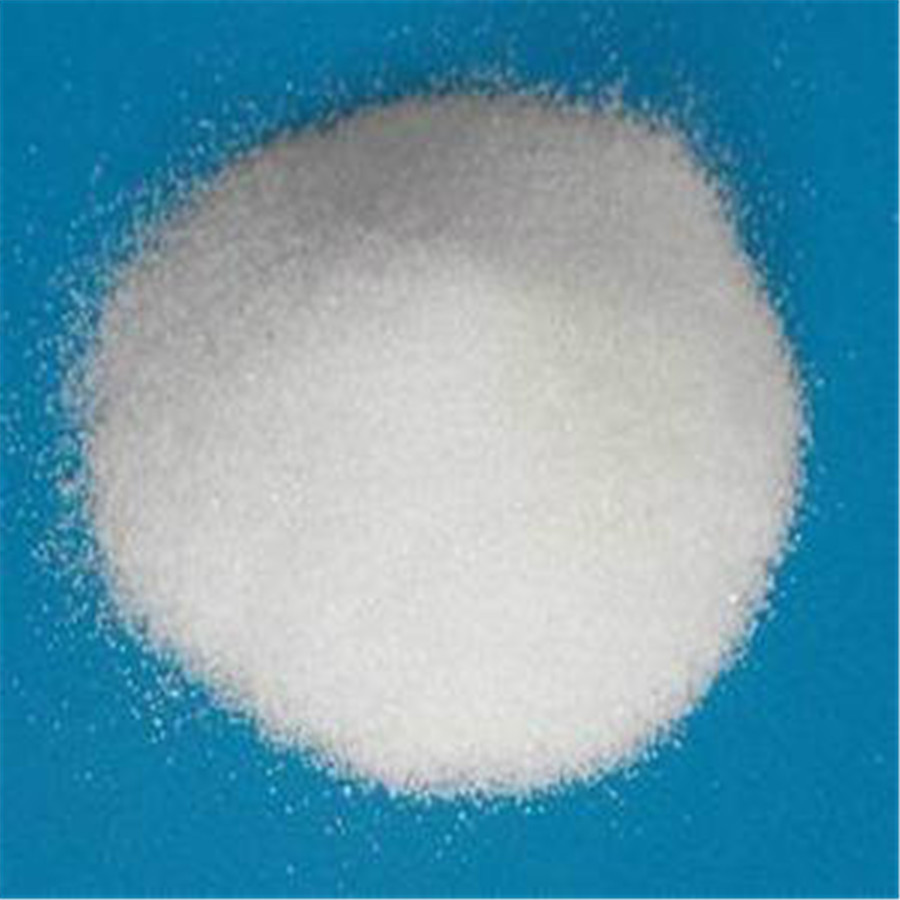
Amino Trimethylene Phosphonic Acid (ATMP, CAS 6419-19-8) works differently than old-school phosphates. Its molecular design tackles scaling at the atomic level - saving plants like yours up to 30% on water treatment budgets.
Think of ATMP as a microscopic claw machine. Those three phosphonic acid groups (-PO₃H₂) grab scale-forming ions like calcium with 5x the binding strength of citrate inhibitors. This "chelation" effect keeps minerals dissolved even at 300 ppm hardness - well beyond typical threshold levels.
Unlike silicate treatments that form brittle coatings, ATMP's carbon-phosphorus backbone creates flexible molecular shields. This allows it to withstand continuous flow velocities up to 3.5 m/s without erosion. Bonus: It won't degrade into orthophosphates that feed algae blooms.
ATMP fights scaling on two fronts simultaneously - like having a bouncer and security cameras at your cooling tower's molecular nightclub.
At concentrations as low as 10 ppm, ATMP wraps around metal ions like a protective cage. This prevents them from reacting with sulfates or carbonates. Field tests at Texas power plants show 99% scale reduction even in 80°C feedwater with 500 TDS.
When micro-crystals start forming, ATMP distorts their growth pattern. Instead of sharp calcite crystals that grip metal surfaces, it creates soft, crumbly particles. These wash away automatically - no more quarterly acid washes that damage equipment.
While conventional inhibitors fail above 50°C, ATMP thrives where others quit. Its thermal stability makes it ideal for demanding applications from foundries to refineries.
Ever seen polymers turn to useless jelly in hot systems? ATMP holds its structure up to 200°C - perfect for boiler feed applications. And unlike pH-sensitive alternatives, it performs consistently across acidic to alkaline conditions (pH 5-9).
Remember how HEDP treatments would precipitate in high-calcium water? ATMP's solubility prevents that nightmare. At a Midwest auto plant, switching to ATMP eliminated 90% of filter clogs while reducing blowdown frequency.
Here's what procurement managers overlook: ATMP doesn't just prevent scale - it forms invisible armor on metal surfaces. This dual-action protection extends equipment life significantly.
ATMP molecules align on steel surfaces like microscopic roof shingles. This barrier blocks dissolved oxygen - the prime corrosion catalyst. Lab data shows 0.02 mm/year corrosion rates on carbon steel, beating nitrite-based treatments.
Pinpoint corrosion under deposits causes catastrophic failures. ATMP's uniform film prevents this by eliminating scale initiation points. One chemical processor avoided $78k in replacement costs after switching - their exchangers now last 5+ years between replacements.
With discharge regulations tightening globally, ATMP offers compliance without performance tradeoffs. Its environmental profile satisfies both EPA and REACH standards.
ATMP contains 60% less reactive phosphorus than STPP alternatives. This means lower eutrophication risk - critical for plants discharging to sensitive watersheds. Its LD50 rating >5000 mg/kg makes handling safer too.
Typical dosing at 10-30 ppm achieves what older products needed 50-100 ppm to accomplish. A paper mill in Ohio reduced annual chemical spend by $140,000 while cutting phosphorus discharge by 8 tons/year. That's operational and ESG wins in one solution.
When a Michigan transmission factory battled monthly cooling tower cleanings, they implemented ATMP at 25 ppm. Results:
Scale-related downtime fell from 38 to 9 hours/month
Heat transfer coefficients improved 17%
Chemical costs dropped $8,200/month
A combined-cycle plant in Arizona documented these gains after 24 months of ATMP use:
Condenser tube replacements delayed from 36 to 54 months
Fuel savings: $220,000 annually from improved heat rate
Zero violations on new 0.5 mg/L phosphorus discharge limits
For optimal results:
Test makeup water hardness monthly
Start at 15 ppm for <200 ppm CaCO₃ hardness
Add 5 ppm per 100 ppm hardness increase
Always blend with dispersants for suspended solids >50 ppm
Demand these quality checks:
Active content ≥50% (industrial grade)
Chloride content <0.01% (prevents stress corrosion)
pH 2.0±0.5 in 1% solution
Valid ISO 9001 and ISO 14001 certifications
Final thought: When evaluating water treatment options, remember that ATMP isn't just another chemical - it's insurance for your cooling infrastructure. Its unique ability to prevent scale while forming corrosion barriers delivers measurable ROI through extended equipment life, reduced energy use, and compliance confidence. Why keep fighting scale with yesterday's tools?