
Views: 0 Author: Site Editor Publish Time: 2025-08-30 Origin: Site


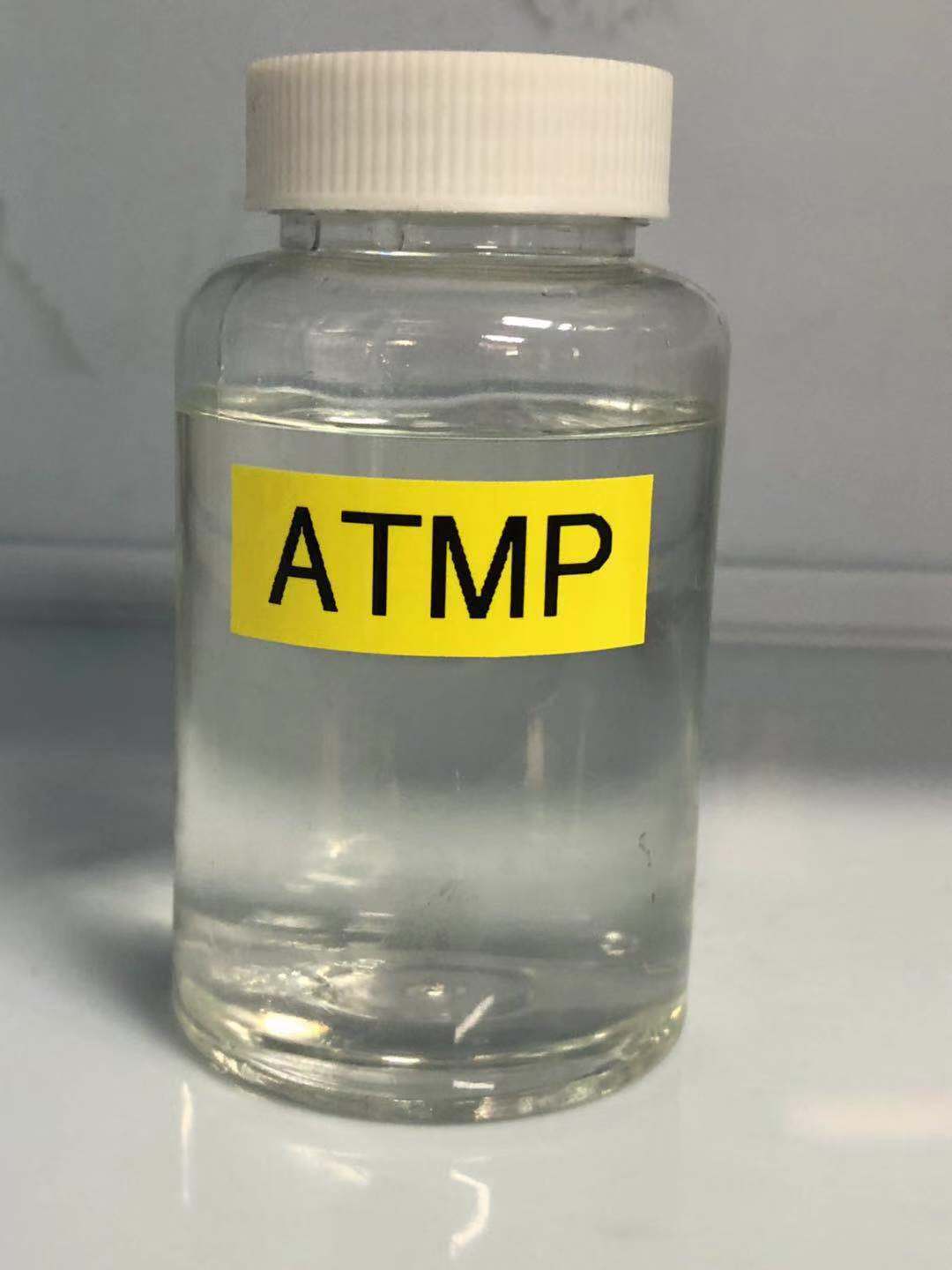
Scale buildup in industrial water systems isn't just annoying - it's profit erosion in chemical form. Each minute of downtime from fouled boilers or clogged membranes racks up $17,000+ in average losses for mid-sized plants. Phosphonates form your frontline defense, but picking incorrectly could mean flushing capital down the drain. Below we dissect the operational realities of ATMP (6419-19-8), HEDP, and EDTMP - arming you with field-tested selection criteria.
Forget generic "scale inhibitors." Your system's specific contaminants demand precision-matched chemistry. Imagine deploying infantry without terrain maps - that's what happens when phosphonates get misapplied.
With its nitrogen core and tridentate arms (N(CH₂PO₃H₂)₃), ATMP grabs calcium ions like hydraulic pincers. Picture heavy machinery clamping onto limestone deposits:
Operates optimally at 1-5ppm dosage in cooling towers (200-800 mg/L CaCO₃)
Crushes calcite crystallization before scale seeds can anchor
Forms protective films on carbon steel below 120°C, cutting galvanic corrosion by 19% in chillers
Reality Check: That polymer plant in Ohio saved 34% on boiler cleanings after switching to ATMP for their calcium-rich feedwater. But push beyond pH 12 or 120°C thermal limits, and hydrolysis degrades performance.
Hydroxyethylidene's reactive -OH group (C₂H₄(OH)(PO₃H₂)₂) acts like thermal armor plating:
Laughs at boiler temperatures up to 150°C (common refinery operating range)
Dual-action shield: phosphonates trap Ca²⁺/Mg²⁺ while hydroxyl groups passivate metal surfaces
Starves oxygen corrosion by locking dissolved O₂ at 5-10 ppm dosage in pH 8-10 systems
Cost Tip: Achieve 22% lower treatment costs versus standard polymers in high-heat applications - but monitor alkalinity closely.
Four phosphonate arms branching from ethylenediamine (N₂(C₂H₄PO₃H₂)₄) create a cage-like security system:
Hexadentate structure engulfs troublemakers (Fe³⁺, Al³⁺) in mining runoff
Prevents sludge disasters in RO pre-treatment by sequestering metal oxides
Handles pH 3-11 swings common in electroplating wastewater
Warning: Never expose EDTMP to chlorinated systems - oxidation degrades effectiveness faster than bleach eats stains.
When battling limestone deposits:
ATMP triumphs at 1-20 ppm for power plant cooling water
Prevents downtime equivalent to 8.5 production days/year in calcium-heavy systems
Alternative cost: Scaling just 0.8mm thick increases energy bills by 12%
Where steam and minerals collide:
HEDP dominates refinery boilers at 150°C/pH 9
Protects membranes 3x longer than generic inhibitors in sulfate-rich feeds
Regulatory payoff: Passes EU REACH Annex XVII compliance thresholds
Mine drainage demanding immediate action:
EDTMP excels capturing radioactive isotopes and heavy metals
Missouri smelter eliminated $500k/year in filtration costs using EDTA-style sequestration
EPA-compliant at 65% lower dosage than thiourea alternatives
| Phosphonate | Thermal Threshold | pH Operating Window | Failure Triggers |
|---|---|---|---|
| ATMP | ≤120°C | 6-11 | Hydrolysis >pH 12 |
| HEDP | ≤150°C | 8-10 | pH excursions <7 |
| EDTMP | ≤100°C | 3-11 | Chlorine exposure |
While all resist biodegradation, EDTMP persists longest in waterways. Facilities discharging near protected ecosystems:
Prefer ATMP/HEDP (67% quicker aquatic breakdown)
Add $0.02/gallon filtration cost versus discharge violations
California plants report 34% fewer compliance incidents with sequenced biodegradables
The sticker price lies: factor in system-wide impacts
ATMP's calcium control: Saves $28/ton in reduced acid cleaning cycles
HEDP in boilers: 9% longer membrane lifespan = $17k/year savings
EDTMP for metals: Cuts sludge disposal costs by 40% in plating shops
The phosphonate battlefield demands tactical selection:
Is calcium scaling crippling throughput? Deploy ATMP (6419-19-8) - the budget-conscious calcium specialist
Do boilers exceed 150°C? Activate HEDP's thermal shielding immediately
Facing iron/aluminum sludge monsters? Unleash EDTMP's metal-engulfing power
Remember: phosphate-free formulations avoid environmental scrutiny while delivering comparable results. Our Texas client achieved 99.7% uptime using sequenced phosphonates paired with zinc synergists - but scaling this requires custom water analysis. Get that halide concentration tested before deployment.
Bottom line? Treat phosphonates like specialized tooling. Match the weapon to the combat zone, and you'll transform maintenance costs into competitive advantage. Still debating chloride tolerance versus temperature profiles? Request our case study portfolio - real data from 17 industrial deployments.