
Views: 0 Author: Site Editor Publish Time: 2025-06-26 Origin: Site


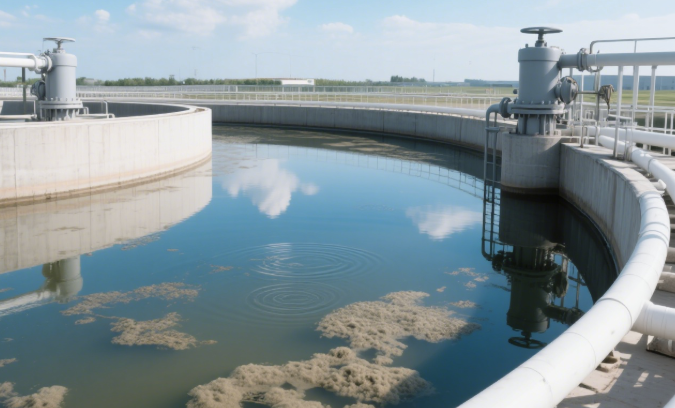
Water scarcity is no longer a distant issue discussed only in policy reports. It is now a daily operating reality for factories, municipalities, and utilities across many regions. If you manage production, utilities, or procurement, you may already face tighter discharge rules, rising freshwater costs, and growing pressure to meet ESG targets. That is why sustainable water treatment has become a practical business topic, not just an environmental one.
Sustainable water treatment means more than making water clean enough to use or discharge. It means treating water in a way that reduces waste, lowers energy demand, protects equipment, limits environmental harm, and keeps operations stable over time. In real purchasing terms, it is about getting reliable water performance without creating new problems elsewhere in the system.
Many industrial sites still treat water with a narrow goal: solve the immediate quality problem and keep the line running. That approach often leads to heavy chemical use, high blowdown rates, rising sludge disposal costs, and avoidable maintenance. Sustainable water treatment takes a wider view. It asks how treatment choices affect total operating cost, compliance exposure, and long-term water availability.
As production expands, water demand rises with it. Food plants, chemical manufacturers, power facilities, textile mills, and metal processors all compete for limited local water resources. In many markets, buyers now compare suppliers not only on price, but also on how securely they can operate under water stress.
A low-priced treatment program can become expensive if it leads to scaling, corrosion, microbial fouling, or discharge penalties. Buyers increasingly ask a different question: will this solution reduce downtime and support stable production? That shift is pushing sustainable water treatment into mainstream sourcing decisions.
The foundation of sustainable water treatment rests on four practical principles: lower energy use, smarter chemical management, more water reuse, and better environmental protection. These principles work together. If one is ignored, the whole program often becomes less efficient.
Traditional treatment systems can be energy-hungry. Pumps, aeration, thermal processes, and desalination units consume large amounts of power. Sustainable designs reduce unnecessary load through efficient pumping, process optimization, and, where practical, renewable power integration. Solar-assisted desalination is one example. It helps facilities cut dependence on fossil-based electricity while improving resilience in remote locations.
Sustainability does not mean eliminating all chemicals. In many systems, the real goal is accurate dosing and smarter chemistry selection. Overdosing can raise discharge burden, increase operating cost, and create downstream treatment issues. A well-designed program uses only what the system needs to control scale, corrosion, and microbial growth.
Water reuse is one of the clearest signs of sustainable water treatment. Reclaiming treated wastewater for cooling, cleaning, or process support reduces freshwater withdrawal. It also lowers discharge volume. For buyers, this often translates into direct utility savings and stronger protection against water supply interruptions.
Water treatment chemicals remain essential in most industrial systems. The difference lies in how they are selected and managed. The right product package helps plants run cleaner for longer, much like choosing the right lubricant keeps a machine from grinding itself down.
Products such as TTA, BTA, ATMP, HEDP, PBTC, and DTPMP are widely used to manage metal protection and deposit control. In cooling water, boilers, and closed-loop systems, these chemistries help prevent scale buildup and reduce metal attack. For a plant manager, that means better heat transfer, lower cleaning frequency, and less risk of tube failure.
Instead of describing this only as corrosion inhibition or threshold scale control, buyers often look at the result: equipment lasts longer, energy stays under control, and maintenance stops become less frequent. In many systems, proper treatment can reduce avoidable raw material and utility loss. A site may see lower blowdown demand and improved cycle control, which directly supports sustainable water treatment targets.
Microbial growth can quickly damage system performance. Slime, odor, fouling, and under-deposit corrosion create hidden cost. Glutaraldehyde, Benzalkonium chloride, Bronopol, and DBNPA are commonly used to manage these risks. When matched correctly to the system, they help prevent biological growth without forcing operators into excessive cleaning or emergency shutdowns.
If you have ever dealt with a cooling tower fouled by biofilm, you know the impact spreads fast. Heat exchange drops, water quality drifts, and the line starts losing efficiency like a clogged artery. Sustainable water treatment depends on keeping that problem under control before it escalates.
Modern treatment programs increasingly combine chemistry with process technology. This creates more stable results and helps sites avoid the old pattern of reacting only after problems appear.
Advanced membrane systems allow wastewater to be treated and reused for non-potable applications. Reverse osmosis, ultrafiltration, and related systems remove suspended solids, salts, and dissolved contaminants with high efficiency. This makes them valuable in closed-loop operations where water recovery matters.
Advanced oxidation processes can break down difficult organic contaminants into less harmful compounds. Biological treatment methods, including bioreactors and constructed wetlands, use natural microbial action to reduce pollutant load. These options can reduce dependence on harsher treatment routes and lower secondary pollution risk.
Real-time sensors and AI-assisted controls help operators adjust treatment conditions before performance drifts too far. Instead of waiting for visible scale or lab alarms, the system can respond earlier. That means better chemical efficiency, fewer upsets, and more predictable cost control.
For procurement leaders, this matters because digital monitoring supports measurable ROI. It also strengthens reporting for customers who now ask for documented sustainability performance.
Sustainable water treatment becomes easier to justify when buyers can connect it to real plant outcomes.
An automotive parts plant running injection molding and cooling systems may struggle with exchanger fouling and unstable cooling water quality. By upgrading its treatment program with better scale control and microbial management, the plant can improve heat transfer and process consistency. In one practical case style often seen in industry, a supplier-supported optimization project helped raise molding yield by 23% by cutting temperature fluctuation and unplanned stoppages.
Closed-loop reuse systems are especially valuable in beverage and food operations. Treated process water can often be redirected to cleaning or utility support, reducing total intake. This not only cuts water bills but also helps plants meet internal sustainability targets.
For exporters and multinational manufacturers, compliance affects buying decisions. Water treatment chemicals and system designs may need to align with REACH/EPA expectations, local discharge permits, and customer audit standards. A sustainable program gives procurement teams a stronger compliance position while protecting site reliability.
Even strong treatment strategies face barriers. Buyers should assess them early.
Membranes, automation, reuse loops, and energy upgrades can require significant capital. Still, many projects pay back through lower water use, reduced chemical waste, fewer shutdowns, and less maintenance. A good sourcing review should compare lifecycle value, not just opening price.
Not every plant can swap systems overnight. Retrofitting older utilities requires careful design. Equipment compatibility, water variability, and operator workload all need review before rollout.
If a treatment system is too complex for the site team, performance may drop after startup. Sustainable water treatment works best when suppliers provide technical support, clear dosing guidance, and practical monitoring plans.
The next stage of sustainable water treatment will go beyond treatment alone. More plants will treat wastewater as a source of reusable water, energy, and recoverable materials.
Wastewater streams increasingly contain usable value. Some facilities now recover nutrients, generate biogas, or reclaim water for repeated process use. This moves treatment from a cost center toward a resource platform.
Governments and major customers are asking for cleaner discharge, lower emissions, and better water stewardship records. That means treatment decisions will continue to influence market access.
Sustainable water treatment is defined by results that last: lower energy demand, controlled chemical use, higher water reuse, safer discharge, and more reliable production. For industrial buyers, it is a way to cut waste, reduce risk, and protect operations in a market where water is becoming more expensive and more regulated.
If you are reviewing a treatment program, ask a practical question: will this solution keep your system efficient, compliant, and stable six months from now, not just next week? That is the standard that truly defines sustainable water treatment.
It is water treatment that delivers clean, usable water while reducing energy use, limiting waste, supporting water reuse, and lowering environmental impact over the long term.
They help control scale and corrosion, which protects equipment, maintains heat transfer, and reduces cleaning, waste, and avoidable downtime.
They help control microbial growth in water systems, reducing fouling and performance loss that can drive up energy use and maintenance cost.
It reduces freshwater demand, lowers discharge volume, and helps plants stay productive in regions facing supply pressure.
Review treatment efficiency, compliance fit, supplier support, system compatibility, lifecycle cost, and the ability to avoid production interruptions.