N,N-Dimethylglycine (DMG), also known as N-Methylsarcosine, is a chemical compound with a significant role in pharmaceutical innovation. With the CAS number 1118-68-9, DMG has a molecular formula of C4H9NO2 and a molar mass of 103.12 g/mol. It appears as a white to slightly yellow solid and is best stored in a dark, sealed environment at room temperature. DMG's melting point ranges from 178-182°C, and it has a boiling point of about 193.35°C. Its flash point is 59.8°C, indicating potential volatility. As a pharmaceutical intermediate, DMG is used to synthesize more complex molecules and neutralize emulsifiers in Glycine-based ionic liquids. Its multifunctional nature makes it a key player in drug development, contributing to the creation of innovative medical treatments. DMG's adaptability and biological significance make it a valuable asset in advancing medical science and improving health outcomes.
Gibberellic Acid (GA3), with synonyms like PRO-GIBB and RYZUPSTRONG, is a white crystalline plant growth regulator with CAS number 77-06-5. Soluble in organic solvents and insoluble in water, GA3 is stable in solid form but not in aqueous solutions, requiring storage at 2-8°C. It promotes growth, germination, flowering, and fruiting in crops such as potatoes, tomatoes, rice, and fruit trees. Excessive use can cause yellowing and slender branching. With low toxicity, an LD50 of over 25,000 mg/kg in mice, and no teratogenic or mutagenic effects, GA3 is safe for humans and animals when used correctly. It's essential in agriculture for enhancing plant health and productivity, with careful application and safety adherence.
plant growth regulator, treated with 0.001% ~ 0.0001% liquid medicine, can promote the cutting rooting of many trees and flowers, and is of great significance to the mass propagation of saplings and flowers. It cannot be used for plant leaves when used. Plant hormone (rooting agent). Indolebutyric acid (IBA) is a broad-spectrum indole plant growth regulator, which is a good rooting agent and can promote the rooting of herbaceous and woody ornamental plant cuttings. It can also be used for fruit setting of melons and fruits to improve fruit setting rate. plant hormones; pharmaceutical intermediates used as plant growth stimulating hormone to promote the growth of plant taproots and improve the germination rate and survival rate
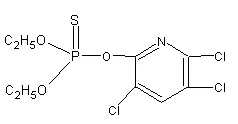
Chlorpyrifos, identified by CAS number 2921-88-2, is one of the most widely debated organophosphate insecticides in modern agricultural history. Known commercially under trade names such as Dursban, Lorsban, and Eradex, this chemical has shaped pest control practices across the globe for over six decades — and its regulatory trajectory tells a compelling story about the evolving relationship between chemical innovation, public health, and environmental stewardship.
Bronopol, or 2-bromo-2-nitro-1,3-propanediol, is a chemical with a rich history and a plethora of modern applications. This white crystalline powder, soluble in water and alcohols, is valued for its non-toxic and non-irritating properties. With a melting point of 122-130°C and a flash point of 167°C, it's a safe choice for various uses. In agriculture, Bronopol is a seed treatment agent effective against plant bacteria, preventing diseases at concentrations of 800-1000mg/L. The cosmetics industry relies on it as a preservative in products like shampoos and creams due to its antibacterial properties. Industrially, it's a biocide, fungicide, and slime control agent, crucial in water treatment, papermaking, and more. Handling Bronopol requires care, with storage in cool, dry places. Its broad application range and safety make it an essential component in combating microbial challenges and maintaining product quality across sectors. Bronopol's CAS number is 52-51-7.
JIANGYIN TRUST INTERNATIONAL INC was established in 1996, dedicated to the production and export of water treatment chemicals, intermediates, and other chemicals.